

Hormonal imbalances can affect energy, sleep, metabolism, mood, and reproductive health. Peptide therapy has gained attention as an approach that targets specific biological signals involved in hormone regulation. However, its effectiveness depends on the peptide used, and not all treatments have sufficient clinical evidence. Understanding its potential benefits, limitations, and risks is essential before considering this approach.
What Is Peptide Therapy for Hormonal Balance?
Peptides are short chains of amino acids that act as signaling molecules in the body. They help regulate biological processes such as hormone secretion, metabolism, immune responses, and tissue repair.
Peptide Therapy for Hormonal Balance involves using selected peptide-based compounds to influence specific biological pathways associated with endocrine function. Some peptides stimulate hormone release, while others activate receptors involved in metabolic or reproductive processes.
Peptides can be naturally occurring or synthetically developed. For example, insulin and certain hormones produced by the pituitary gland are naturally occurring peptide hormones. Synthetic peptides are designed to reproduce or modify specific biological signaling activities.
Unlike hormone replacement therapy, which supplies hormones directly, certain peptides influence the signals that control hormone production. However, this does not mean they can correct every type of hormonal imbalance.
How Does Peptide Therapy Work?

The endocrine system includes the hypothalamus, pituitary gland, thyroid, adrenal glands, and reproductive organs. These structures communicate through feedback mechanisms to maintain hormonal regulation.
Certain peptides interact with receptors in this system and influence the release or activity of specific hormones.
For example, growth hormone-releasing peptides act on pathways involving the pituitary gland, while kisspeptin participates in reproductive hormone signaling. Other peptide-based medications, such as GLP-1 receptor agonists, influence appetite and glucose regulation.
The effects are compound-specific. A peptide that stimulates growth hormone release does not necessarily improve estrogen, progesterone, or thyroid levels.
Types of Peptides Used in Hormonal Health
Different peptides target different biological processes. Some have established medical applications, while others remain under investigation.
| Peptide | Primary Function | Evidence and Clinical Context |
|---|---|---|
| CJC-1295 | Influences growth hormone release | Limited clinical safety data; not an established hormone-balancing treatment |
| Ipamorelin | Stimulates growth hormone secretion | Investigational; safety concerns remain |
| Kisspeptin | Regulates reproductive hormone signaling | Being studied for reproductive and fertility applications |
| GLP-1 receptor agonists | Regulate appetite and glucose metabolism | Approved medications for specific metabolic indications |
| Bremelanotide (PT-141) | Acts on neurological pathways involved in sexual desire | FDA-approved for a specific form of low sexual desire in premenopausal women |
These compounds should not be considered interchangeable treatments.
For example, GLP-1 medications such as semaglutide and liraglutide have established uses in diabetes and weight management, but they are not general hormone-balancing medications. Similarly, bremelanotide addresses a specific sexual health condition rather than correcting estrogen or progesterone deficiencies.
Potential Benefits of Peptides for Hormonal Health
The potential benefits depend on the biological pathway targeted by a particular peptide. Current research focuses on several areas:
1. Supporting Growth Hormone Regulation
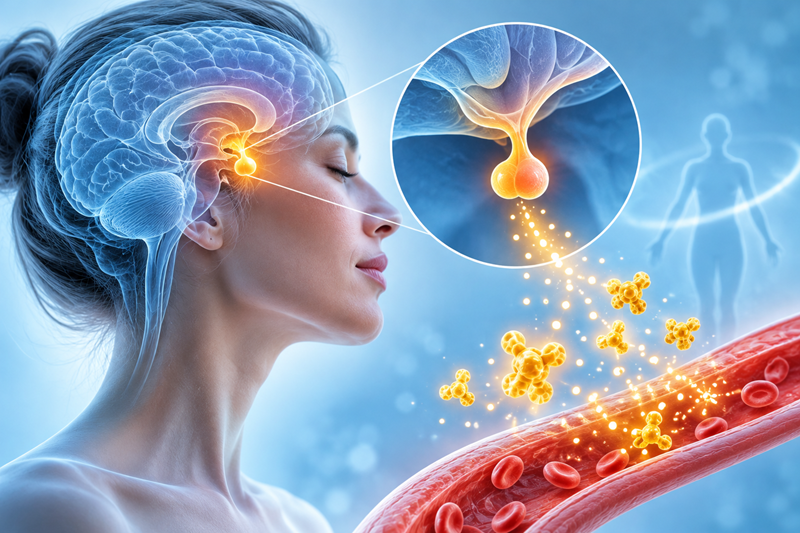
Certain peptides stimulate growth hormone secretion through the pituitary gland. Growth hormone contributes to tissue maintenance, protein synthesis, and metabolic processes. However, increasing its levels does not automatically improve overall health or guarantee better body composition.
2. Supporting Reproductive Health

Kisspeptin plays an important role in the hypothalamic-pituitary-gonadal axis, which regulates reproductive hormones such as LH and FSH. Researchers are investigating its potential applications in fertility and reproductive disorders.
3. Supporting Metabolic Function
GLP-1 receptor agonists can improve glucose regulation and support weight management in eligible patients. These effects may be relevant to people with insulin resistance, including some individuals with PCOS.
4. Addressing Specific Sexual Health Concerns
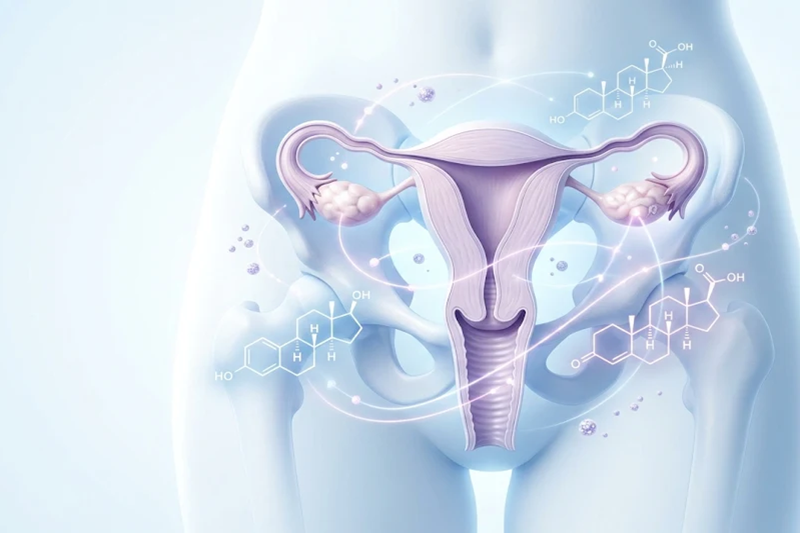
Bremelanotide acts on central nervous system receptors involved in sexual desire. Its approved use for certain premenopausal women with hypoactive sexual desire disorder demonstrates that peptide-based treatments can have specific clinical applications beyond traditional hormone replacement.
These potential benefits should not be interpreted as evidence that peptide therapy improves energy, sleep, libido, and hormonal balance in everyone.
Can Peptide Therapy Help With Menopause and PCOS?
Menopause and polycystic ovary syndrome (PCOS) involve different hormonal changes, so their treatment approaches should also differ.
Menopause: During perimenopause and menopause, estrogen and progesterone production changes. Symptoms may include hot flashes, night sweats, sleep disturbances, and vaginal dryness. Although researchers are investigating peptide-related pathways in reproductive health, peptide therapy is not an established replacement for menopausal hormone therapy (MHT).
PCOS: This condition is associated with irregular ovulation, elevated androgen levels, and sometimes insulin resistance. GLP-1 receptor agonists have been studied for their metabolic effects in people with PCOS, particularly those experiencing weight-related metabolic complications. However, they are not universal PCOS treatments and should only be considered when medically appropriate.
Peptide Therapy vs. Hormone Replacement Therapy (HRT)
Although both approaches relate to hormonal health, they work differently.
| Feature | Peptide Therapy | Hormone Replacement Therapy |
|---|---|---|
| Mechanism | Targets specific signaling pathways | Supplies hormones directly |
| Examples | Kisspeptin, CJC-1295, selected GLP-1 medications | Estrogen, progesterone, testosterone |
| Main purpose | Depends on the specific peptide | Treats specific hormone deficiencies and related conditions |
| Clinical evidence | Varies by compound | Established for several medical indications |
| Monitoring | Depends on the treatment | Hormone levels, symptoms, and individual risk factors |
Neither treatment is automatically safer or more effective for everyone. The appropriate option depends on the underlying diagnosis, medical history, and treatment goals. In some cases, different therapies may be considered together under medical supervision.
Risks and Side Effects of Peptide Therapy

Peptide therapy is not risk-free. Side effects vary depending on the compound, formulation, dosage, and individual health factors.
Potential concerns include:
- Injection-site reactions: Redness, swelling, or discomfort following administration.
- Digestive problems: Nausea, vomiting, diarrhea, or constipation, particularly with GLP-1 medications.
- Headaches and flushing: Reported with certain peptide-based treatments.
- Hormonal changes: Compounds affecting endocrine pathways may alter hormone levels and require monitoring.
- Immune reactions: Some compounded peptides may trigger immune responses due to aggregation or peptide-related impurities.
The safety of compounded and investigational peptides deserves particular attention. The FDA’s safety information on peptide substances used in compounding identifies concerns involving CJC-1295, ipamorelin, and kisspeptin-10, including limited safety data and potential immunogenicity.
Patients should not assume that products advertised as research peptides or anti-aging injections are safe for human use simply because they are available online.
Who May Be a Candidate for Peptide Therapy?

Suitability depends on the specific compound and its intended medical use. Before considering treatment, a healthcare professional should assess:
- Current symptoms and medical history
- Relevant hormone and metabolic test results
- Existing medications and potential interactions
- Contraindications and individual risk factors
- Whether the proposed peptide has sufficient evidence for the intended purpose
Fatigue, weight changes, irregular periods, reduced libido, and sleep disturbances do not automatically indicate hormonal imbalance. Thyroid disorders, anemia, medication effects, and other conditions can produce similar symptoms.
A proper diagnosis should therefore come before treatment selection.
Frequently Asked Questions
Does peptide therapy balance hormones naturally?
Some peptides influence natural hormone-signaling pathways, but their effects vary. They cannot be considered a universal solution for hormonal imbalances.
How long does peptide therapy take to work?
There is no standard timeline. Treatment response depends on the compound, medical indication, and individual factors. Some approved medications produce measurable effects within weeks, while other proposed applications lack sufficient clinical evidence.
Can peptide therapy replace HRT?
No. Peptide therapy and HRT have different mechanisms. Peptides may influence selected biological pathways, whereas HRT supplies specific hormones. The appropriate treatment depends on the underlying condition.
Conclusion
Peptide Therapy for Hormonal Balance is an evolving area of medical research with potential applications in reproductive, metabolic, and endocrine health. While certain peptide-based medications have established clinical uses, others remain investigational and require further research to establish their safety and effectiveness.
Understanding the differences between peptide compounds, identifying the cause of hormonal symptoms, and considering the available clinical evidence are essential before starting treatment. A medically supervised approach can help individuals make informed decisions about appropriate options for their hormonal health.


