


Peptide therapy for weight loss uses naturally occurring or lab-synthesized signaling molecules to help the body regulate appetite, burn fat, and preserve muscle more efficiently. It isn’t a single treatment but a category that spans FDA-approved medications like semaglutide and tirzepatide, growth-hormone-supporting peptides like CJC-1295 and ipamorelin, and more targeted compounds like AOD-9604. This guide walks through how each type works, what results to realistically expect, and the safety information you need before considering treatment.
Understanding the Basics: What is Peptide Therapy for Weight Loss?

Peptides are short chains of amino acids that act as signaling molecules in the body. Rather than forcing a biological change from the outside, they communicate with existing receptors — telling the brain you’re full, telling the pituitary gland to release more growth hormone, or telling fat cells to release stored energy.
This is an important distinction: peptide therapy for weight loss does not replace diet, exercise, or medical care. Instead, it may help optimize the body’s metabolic signals and make healthy habits easier to maintain. A calorie deficit remains essential. Peptides may influence hunger, support muscle preservation, and help the body use energy more efficiently.
How Do Weight Loss Peptides Work in the Body?
Different peptides act on different biological pathways. Broadly, they fall into three groups: those that regulate appetite, those that stimulate the body’s own growth hormone production, and those that act directly on fat cells.
Appetite Regulation and Satiety (GLP-1 Receptor Agonists)
GLP-1 receptor agonists, such as semaglutide, imitate a hormone the gut releases naturally after eating. This slows gastric emptying — meaning food stays in the stomach longer — and signals the brain that the body is full. The practical result is fewer cravings, smaller portions feeling satisfying, and a calorie deficit that’s easier to maintain without constant hunger.
Boosting Metabolism and Growth Hormone Production
Another group of peptides, such as CJC-1295 and ipamorelin, targets the pituitary gland instead of the gut. These growth hormone secretagogues stimulate the body’s natural release of growth hormone in pulses. Higher growth hormone levels may support fat metabolism and help preserve lean muscle. This matters because muscle tissue helps maintain a higher resting metabolism during weight loss.
Targeted Fat Breakdown (Lipolysis)
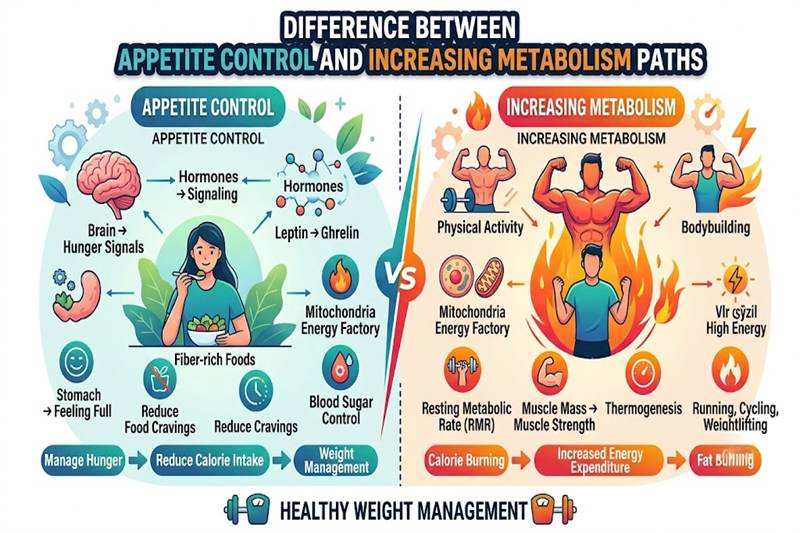
A smaller category of peptides acts more directly on fat cells. AOD-9604, a modified fragment of human growth hormone, has been studied specifically for its ability to stimulate lipolysis (fat breakdown) and inhibit lipogenesis (fat storage) without significantly affecting blood sugar or overall growth — the effects associated with full growth hormone therapy.
Popular Peptides Used for Weight Management
When it comes to peptides for weight loss, not every option works the same way or suits every patient. Some peptides directly regulate appetite and food intake, others work by boosting the body’s natural growth hormone production, and a few are more specialized, targeting stubborn fat or supporting recovery during an active lifestyle. Below is a closer look at the most widely used and clinically supported peptides for weight loss available today, from the well-known GLP-1 medications to more targeted metabolic options.Additionally, since metabolic needs often intersect with unique hormonal profiles, exploring Peptide Therapy for Women can provide tailored insights for female health goals
The “Big Three”: Semaglutide, Tirzepatide, and Liraglutide
These three GLP-1-based medications have the strongest clinical evidence behind them and are the most widely prescribed for medical weight loss, typically administered via convenient injectable peptide pens.
- Semaglutide (Wegovy, Ozempic) is a once-weekly injection. In clinical trials, patients have achieved average weight loss in the range of 15% of body weight over roughly a year of treatment, alongside improvements in blood sugar and cardiovascular risk markers.
- Tirzepatide (Zepbound, Mounjaro) is also a once-weekly injection, but it activates both GLP-1 and GIP receptors. Head-to-head trials have found tirzepatide produces greater average weight loss than semaglutide, with some higher-dose groups approaching or exceeding 20% of body weight.
- Liraglutide (Saxenda) was one of the earlier GLP-1 medications approved for weight management. Unlike the other two, it requires a daily injection, and clinical trials generally show more modest weight loss than semaglutide or tirzepatide.
Metabolic Boosters: CJC-1295 and Ipamorelin
Doctors often prescribe these two peptides together because they work on different parts of the same pathway. CJC-1295 acts as a growth hormone-releasing hormone (GHRH) analog and helps extend the body’s natural growth hormone release pattern. Ipamorelin works as a selective growth hormone secretagogue and stimulates growth hormone release with minimal effects on other hormones, such as cortisol.
When combined, these peptides may support body composition, recovery, and sleep quality in physician-supervised protocols. However, they usually complement a broader weight management plan rather than serve as a standalone weight-loss treatment.
Specialized Peptides: AOD-9604 and BPC-157
AOD-9604 focuses on a specific fat-metabolizing segment of growth hormone. Some practitioners consider it for individuals with stubborn fat areas that do not respond easily to diet and exercise. However, research remains limited, and more studies are needed to confirm its effectiveness for weight loss.
BPC-157 primarily supports tissue and gut recovery. It may help people who increase physical activity during a weight loss program and need support for joint, tendon, or digestive concerns. It does not directly function as a weight-loss peptide. Instead, it may support recovery and help individuals maintain consistent exercise habits.
Both of these compounds have a regulatory status that has shifted over the past few years and continues to evolve; see the safety section below before considering either one.
| Peptide | Common Brand(s) | How It’s Taken | Primary Purpose |
|---|---|---|---|
| Semaglutide | Wegovy, Ozempic | Weekly injection | Appetite suppression, blood sugar control |
| Tirzepatide | Zepbound, Mounjaro | Weekly injection | Dual-hormone appetite suppression, greater weight loss |
| Liraglutide | Saxenda | Daily injection | Appetite suppression (earlier-generation option) |
| CJC-1295 | — (compounded) | Injection, per protocol | Growth hormone release, body composition |
| Ipamorelin | — (compounded) | Injection, per protocol | Growth hormone release, paired with CJC-1295 |
| AOD-9604 | — (compounded) | Injection, per protocol | Targeted fat breakdown (lipolysis) |
| BPC-157 | — (compounded) | Injection, per protocol | Tissue and gut recovery support |
Expected Results: How Much Weight Can You Lose?

Results vary significantly by medication, dose, duration, and individual metabolic factors. As a general guide based on clinical trial data:
- Semaglutide: average weight loss around 15% of body weight over approximately a year
- Tirzepatide: average weight loss often in the high-teens to low-20% range at higher doses over similar timeframes
- Liraglutide: more modest average results, generally in the mid-single-digit-to-8% range
It’s worth noting that patients with type 2 diabetes often see somewhat smaller percentage weight loss on these medications than patients without diabetes, a pattern seen consistently across GLP-1 trials. Growth-hormone-supporting and fat-targeting peptides don’t have the same scale of trial data behind them, and their contribution is typically framed as supportive rather than as a primary driver of weight loss.
Across all categories, the clearest pattern in the research is that results are meaningfully better — and more sustainable — when medication is combined with consistent exercise and improved nutrition, rather than used alone.
Safety, Side Effects, and FDA Approval Status
Like any medical treatment, peptides for weight loss come with a safety profile that patients should understand before starting. Most side effects are mild and manageable, especially under proper medical supervision, but it’s just as important to know the serious risks, the contraindications, and perhaps most critically — the real dangers of sourcing peptides for weight loss outside a licensed medical setting. The section below breaks down what’s expected, what’s a warning sign, and how FDA approval status differs across the various options on the market.
Common and Manageable Side Effects
The most common side effects of GLP-1 medications affect the digestive system. These include nausea, diarrhea, constipation, and general stomach discomfort. Patients usually experience these effects early in treatment or after dose increases. In most cases, symptoms improve as the body adjusts. Doctors typically start with a low dose and increase it gradually to help reduce side effects.
Serious Risks and Contraindications
GLP-1 medications do not suit everyone. Doctors usually avoid these treatments in people with a personal or family history of medullary thyroid cancer, Multiple Endocrine Neoplasia syndrome type 2 (MEN2), pancreatitis, gallbladder disease, or severe gastrointestinal conditions. They also avoid them during pregnancy and breastfeeding. A complete medical history review helps doctors determine whether treatment is appropriate.
The Danger of Unapproved and Gray Market Peptides
The FDA has approved medications such as semaglutide, tirzepatide, and liraglutide, and researchers have collected extensive safety data on them. Other peptides, including CJC-1295, ipamorelin, AOD-9604, and BPC-157, fall into a different regulatory category. These peptides do not have FDA approval as weight-loss medications.
Some of these compounds have faced changing regulatory rules for licensed compounding pharmacies. Authorities continue to review their status, and requirements may change over time. This means patients should:
Use these peptides only through a licensed physician and a legitimate compounding pharmacy with a valid prescription.
Avoid online “research chemical” vendors that sell peptides for self-use without medical supervision.
Unverified products may lack quality control. Buyers cannot always confirm purity, correct dosage, or whether the product contains the ingredients listed on the label.
Regulatory guidelines can change, so a treatment option available in the past may require different oversight today. This is why ongoing physician supervision remains important throughout treatment.
If a provider offers peptides without requiring a prescription or medical evaluation, consider it a warning sign rather than a convenient shortcut.
Who Is a Good Candidate for Peptide Therapy?
Medical peptide therapy, particularly GLP-1 medication, is generally considered appropriate for adults who:
- Have a BMI of 30 or higher (obesity), or a BMI of 27 or higher with a weight-related condition such as high blood pressure, type 2 diabetes, or sleep apnea
- Have tried diet and exercise changes without achieving lasting results
- Have insulin resistance or metabolic syndrome
- Are prepared to commit to regular medical follow-up, not just a prescription
BMI thresholds are a starting point for screening, not the whole picture. A physician will also weigh overall health history, current medications, and personal goals before recommending a specific treatment plan — which is why self-directed use, without medical oversight, is discouraged regardless of how accessible a peptide might seem online.
Learn more about What is Peptide Therapy for Men?
Peptide Therapy vs. Traditional Weight Loss Methods
Compared to very-low-calorie diets or invasive procedures like bariatric surgery, peptide therapy works differently: it targets the biological signals that drive hunger and fat storage, rather than restricting food intake through willpower alone or altering the digestive system surgically.
This is often described as a “smarter” approach because it works with the body’s own regulatory systems instead of fighting against them. Restrictive diets frequently fail long-term because they trigger the body’s natural hunger and metabolic-slowdown responses to perceived starvation. GLP-1 peptides directly address that hunger response at the hormonal level, which is a meaningful part of why they tend to produce more sustainable results than diet alone for many patients.
That said, peptide therapy isn’t a replacement for bariatric surgery in every case — for patients with very severe obesity or specific health complications, surgery may still be the more appropriate option. This is a decision made with a physician based on individual health status, not a one-size-fits-all comparison.
FAQ: Common Questions About Weight Loss Peptides
Do I need to take it for the rest of my life? Not necessarily, but many patients do experience some weight regain after stopping GLP-1 medication if lifestyle changes aren’t maintained. Many physicians treat these medications as a long-term tool for chronic weight management, similar to how blood pressure medication is used long-term, rather than a short course with a fixed end date. The right duration is a decision to make with your doctor based on your goals and response to treatment.
Do I need a prescription? Yes. Semaglutide, tirzepatide, and liraglutide are prescription medications requiring a medical evaluation. Compounded peptides like CJC-1295, ipamorelin, AOD-9604, and BPC-157 also require a prescription from a licensed physician and should only be obtained through a legitimate compounding pharmacy — not unregulated online sellers.
How long does it take to see results? Most patients on GLP-1 medications notice reduced appetite within the first few weeks, with measurable weight loss typically becoming apparent over 8-12 weeks as the dose is gradually increased. Meaningful, clinically significant results generally build over several months to a year of consistent treatment.
Conclusion: Is Peptide Therapy Your Missing Piece?
Peptide therapy isn’t a miracle cure, and it isn’t meant to work in isolation. What it offers is a powerful tool that changes the biological conditions that make weight loss so difficult for many people persistent hunger, a slowing metabolism, and the loss of muscle mass that often comes with dieting.
Used as part of a complete plan physician oversight, proper nutrition, and regular exercise peptide therapy can be the piece that finally makes sustainable weight loss achievable. Used alone, or sourced without medical supervision, it carries real risks. The difference between the two comes down to one thing: working with a qualified healthcare provider who can build a plan around your specific health profile and goals.