


Over the past decade, lip augmentation has moved away from the exaggerated, overinflated pout that once dominated cosmetic trends. Today, most patients walking into a med spa or dermatology clinic are asking for one thing: natural lip fillers that enhance their existing lip shape without looking obviously “done.” Achieving this subtle, harmonious result depends on two critical factors — the type of filler product used and the skill and technique of the injector.
This guide breaks down everything you need to know about natural lip fillers, including how they work, which products tend to produce the softest and most realistic results, and the injection techniques that separate an expert cosmetic injector from an amateur.
What Are Natural Lip Fillers?
Natural lip fillers are not a separate category of product — rather, the term refers to an approach to lip augmentation that prioritizes subtlety, proportion, and movement over volume alone. The goal is to enhance the lips’ natural contours, improve symmetry, and restore lost volume (especially in patients over 35) while preserving the lips’ natural texture, softness, and ability to move expressively when talking or smiling.
Most natural lip fillers are made from hyaluronic acid (HA), a sugar molecule that occurs naturally in human skin and connective tissue. Because HA is biocompatible and reversible (it can be dissolved with hyaluronidase if the result isn’t satisfactory), it remains the gold standard for anyone seeking safe, natural-looking lip enhancement.
Why Product Choice Matters for a Natural Look
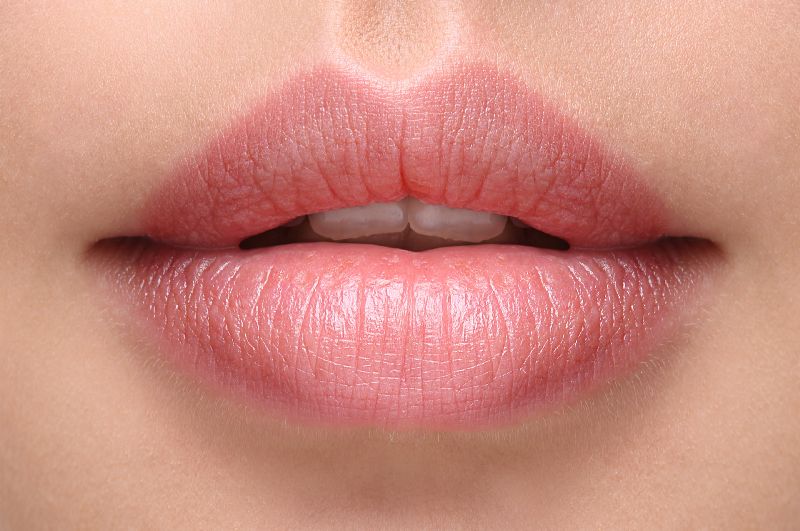
Not all hyaluronic acid fillers behave the same way once injected. Filler manufacturers formulate their products with different:
- Cross-linking density (how tightly the HA molecules are bonded)
- Viscosity and cohesivity (how the gel holds together and spreads)
- G’ (elastic modulus) — a measure of firmness
Fillers with high G’ and dense cross-linking tend to hold their shape strongly, which is ideal for sharpening the cupid’s bow or defining the vermillion border — but if overused, they can create a stiff, unnatural look. Softer, more cohesive fillers with lower viscosity integrate more seamlessly into the lip tissue, move naturally with facial expressions, and are generally the better choice for patients wanting natural lip fillers rather than a dramatic transformation.
Best Filler Categories for a Natural Result
- Restylane Kysse – Specifically engineered for lips using XpresHAn Technology, this filler is designed to move naturally with facial expressions while providing long-lasting hydration and softness. It’s one of the most popular choices among injectors focused on natural-looking lip enhancement.
- Juvéderm Volbella XC – Known for its fine, smooth consistency, Volbella is ideal for subtle volumizing and correcting minor asymmetries without adding excessive bulk. It’s often recommended for first-time filler patients.
- RHA 2 and RHA 3 (Resilient Hyaluronic Acid) – These fillers are designed to mimic the natural flexibility of dynamic facial tissue, making them an excellent option for lips that need to stretch and compress as you speak or smile.
- Belotero Balance – With a soft, low-viscosity formula, Belotero integrates smoothly into lip tissue, making it a good option for treating fine lines around the lips (perioral lines) in addition to volumizing.
Choosing among these products isn’t a one-size-fits-all decision. An experienced injector will assess your lip anatomy, skin thickness, age-related volume loss, and aesthetic goals before recommending a specific formulation.
Injection Techniques That Preserve a Natural Look
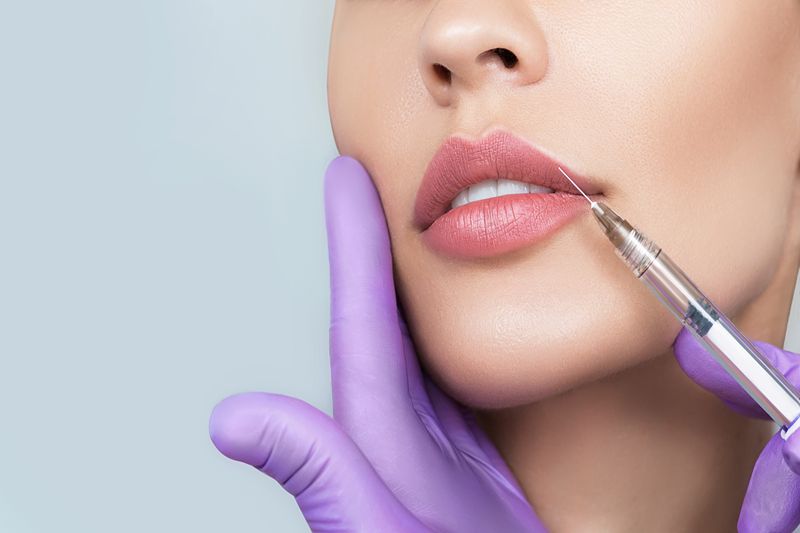
Even the best filler product can look unnatural in the wrong hands. Skilled injectors rely on a combination of techniques tailored to each patient’s lip shape and desired outcome.
1. The Russian Lip Technique
This technique involves injecting filler vertically rather than horizontally, creating height and a subtle “fanned” projection at the vermillion border. It’s particularly effective for patients wanting more visible lip height without excessive forward projection, which helps maintain a natural profile.
2. Micro-Droplet Technique
Small amounts of filler (often 0.01–0.05 mL per injection point) are placed in multiple locations across the lip. This method minimizes lumps, allows for precise shaping, and gives the injector maximum control — a favorite technique for patients specifically requesting natural lip fillers.
3. Linear Threading
The needle or cannula is inserted along the length of the lip border, and filler is deposited in a continuous thread as the needle is withdrawn. This technique is commonly used to define the vermillion border or cupid’s bow with a clean, natural-looking line.
4. Fanning Technique
From a single entry point, the injector fans the needle in multiple directions to distribute filler evenly across a broader area. This is especially useful for balancing asymmetries between the left and right sides of the lips.
5. Cannula vs. Needle
Many injectors now prefer a blunt-tip cannula over a traditional sharp needle for lip augmentation. Cannulas reduce the risk of bruising and vascular occlusion (a serious complication where filler blocks a blood vessel) while allowing for smoother, more even product distribution — a technique that supports both safety and a natural aesthetic outcome.
How to Choose the Right Injector
Because injection technique is arguably just as important as product selection, choosing the right practitioner is essential. When researching providers for natural lip fillers, consider the following:
- Credentials: Look for board-certified dermatologists, plastic surgeons, or licensed nurse injectors with specific training in facial aesthetics.
- Before-and-after portfolio: Review real patient photos, ideally with similar lip anatomy and goals to your own.
- Consultation process: A good injector will discuss your facial proportions, lip symmetry, and long-term goals rather than pushing a one-size-fits-all volume target.
- Conservative philosophy: Injectors who understand natural aesthetics often recommend starting with a smaller amount of filler, since it’s easier to add more in a follow-up appointment than to correct an overfilled result.
What to Expect During and After Treatment
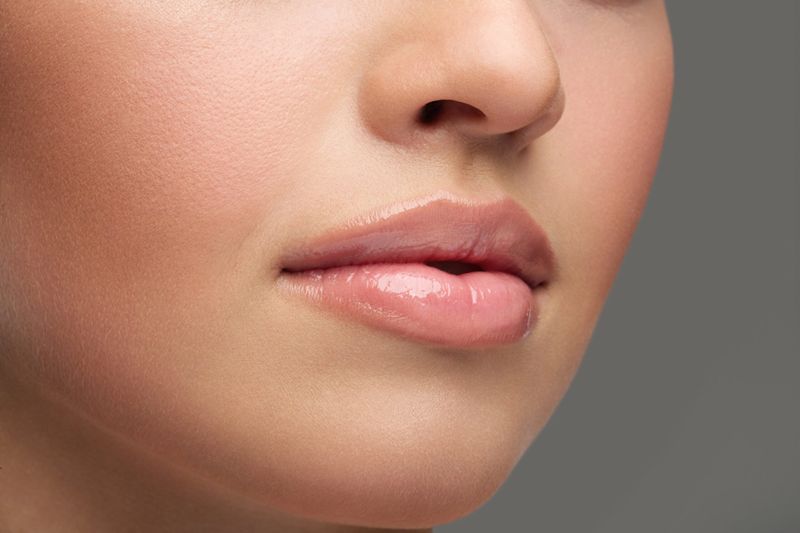
A typical lip filler appointment takes 30–45 minutes, including numbing time with topical anesthetic. Most patients report mild discomfort rather than significant pain, especially since many modern fillers already contain lidocaine mixed into the formula.
Immediately after treatment, you can expect:
- Mild swelling (which can last 3–7 days and often makes lips look temporarily larger than the final result)
- Slight bruising at injection points
- Tenderness when touching or pressing on the lips
Aftercare tips for the best natural results:
- Avoid strenuous exercise for 24 hours to reduce swelling
- Apply cold compresses intermittently during the first 24–48 hours
- Avoid alcohol and blood-thinning medications for a few days before and after treatment
- Refrain from applying excessive pressure, kissing intensely, or using straws for the first day or two
- Wait for full swelling resolution (typically 2 weeks) before judging the final result
How Long Do Natural Lip Fillers Last?
Most hyaluronic acid lip fillers last between 6 and 12 months, though this varies based on the specific product, your metabolism, and lifestyle factors like sun exposure and smoking. Softer, more natural-looking fillers such as Volbella tend to metabolize slightly faster than denser, structural fillers, which means maintenance appointments every 6–9 months are common for patients who want to preserve a consistently natural look over time.
Common Mistakes That Lead to an Unnatural Look
Even with high-quality products, certain mistakes can compromise a natural result:
- Overfilling in a single session instead of building volume gradually across multiple appointments
- Ignoring lip proportions, such as the ideal ratio between the upper and lower lip (often cited as roughly 1:1.6)
- Neglecting the philtrum and cupid’s bow, which are key to a balanced, natural-looking smile
- Using overly firm filler in areas that need flexibility and movement, such as the central lip body
Frequently Asked Questions
Are natural lip fillers noticeable?
When performed conservatively with the right product and technique, most people won’t be able to tell you’ve had filler — they’ll simply notice your lips look fuller, healthier, and more balanced.
Can lip fillers be reversed if they look unnatural?
Yes. Because most lip fillers use hyaluronic acid, they can be dissolved with an enzyme called hyaluronidase if the result isn’t what you wanted.
How much filler is needed for a natural look?
Many injectors recommend starting with 0.5–1 mL of filler for first-time patients, which is typically enough to enhance volume subtly without dramatically altering lip shape.
Do natural lip fillers hurt?
Discomfort is generally mild, especially with numbing cream and lidocaine-infused filler formulas. Most patients describe the sensation as pressure rather than sharp pain.
Conclusion
Achieving beautifully natural lip fillers comes down to a careful balance between selecting the right hyaluronic acid product for your lip anatomy and working with an injector who understands precise, technique-driven artistry. Fillers like Restylane Kysse, Juvéderm Volbella, and RHA formulations are specifically designed to move and feel like real lip tissue, while techniques such as micro-droplet injection and the Russian lip method help avoid an overdone appearance.
If you’re considering lip augmentation, prioritize a conservative approach, choose a qualified and experienced injector, and remember that natural results are often built gradually over multiple sessions rather than achieved all at once.