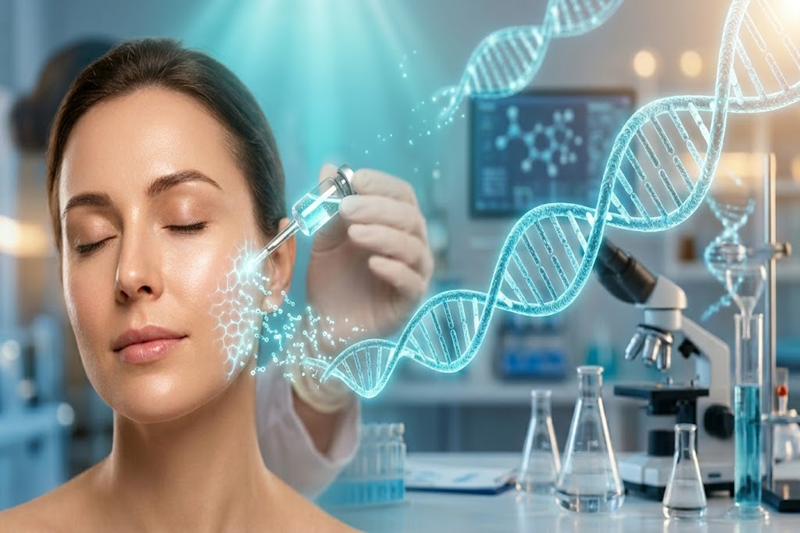
Skin rejuvenation has evolved significantly in recent years, moving beyond traditional cosmetic treatments toward advanced regenerative solutions. One of the most promising innovations in this field is PDRN polynucleotide therapy skin, a treatment derived from salmon DNA that supports tissue repair, hydration, and overall skin regeneration at a cellular level.
At the beginning of this discussion, it is important to understand that fsalmon DNA benefits, are closely linked to the skin’s ability to repair itself, reduce inflammation, and improve elasticity over time. This makes polynucleotide-based therapies a growing focus in modern aesthetic medicine.
What Is PDRN (Polynucleotide) Therapy?
PDRN (Polydeoxyribonucleotide) is a bioactive compound derived from purified DNA fragments, often sourced from salmon sperm cells due to their high biological compatibility with human tissue.
This treatment works by:
- Stimulating cell regeneration
- Enhancing tissue repair
- Improving skin elasticity
- Supporting collagen production
- Reducing inflammation
Unlike traditional fillers that simply add volume, PDRN therapy focuses on improving the skin’s internal health and function.
How Does PDRN Work on the Skin?
PDRN interacts with adenosine A2A receptors in the skin, which helps activate natural healing pathways. This leads to:
- Increased fibroblast activity
- Faster tissue regeneration
- Improved microcirculation
- Enhanced hydration levels
Because of these mechanisms, PDRN is often categorized as a regenerative skin treatment rather than a purely cosmetic procedure.
Key Benefits of Polynucleotide Therapy
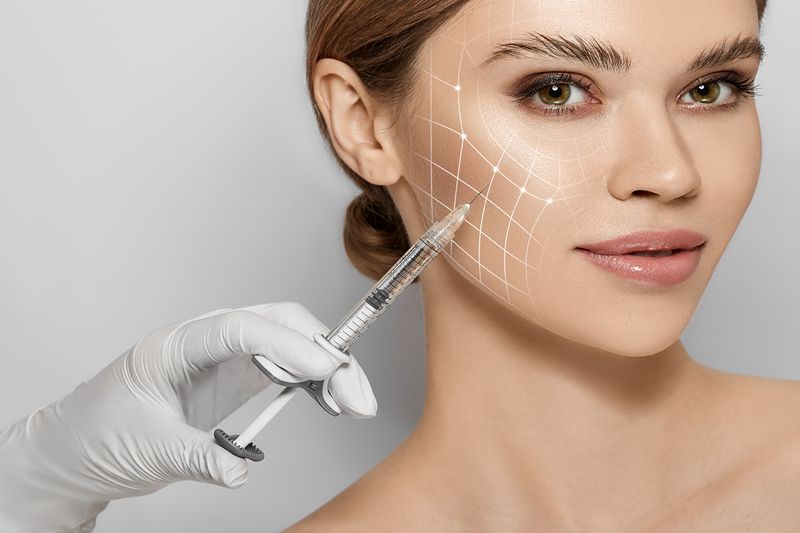
PDRN therapy offers a wide range of skin benefits, especially for individuals dealing with aging, acne scars, or dull skin.
Main advantages include:
- Deep skin regeneration
- Reduction of fine lines
- Improved skin texture
- Enhanced elasticity
- Long-term hydration
One of the reasons for its popularity is its ability to deliver gradual, natural-looking improvements without dramatic or artificial changes.
PDRN vs Hyaluronic Acid
A common question in aesthetic medicine is PDRN vs hyaluronic acid, as both are used for skin improvement but work differently.
| Feature | PDRN | Hyaluronic Acid |
|---|---|---|
| Function | Skin repair & regeneration | Hydration & volume |
| Mechanism | Cellular stimulation | Moisture retention |
| Results | Gradual, long-term improvement | Immediate plumping effect |
| Purpose | Tissue healing | Cosmetic enhancement |
While hyaluronic acid focuses on hydration and volume, PDRN works deeper at a biological level to repair damaged skin.
Skin DNA Repair and Regeneration
One of the most advanced aspects of this therapy is its role in skin DNA repair treatment, where damaged skin cells are supported in regenerating more effectively.
This makes PDRN particularly useful for:
- Sun-damaged skin
- Post-acne scars
- Aging skin
- Environmental damage
Treatment Process: What to Expect
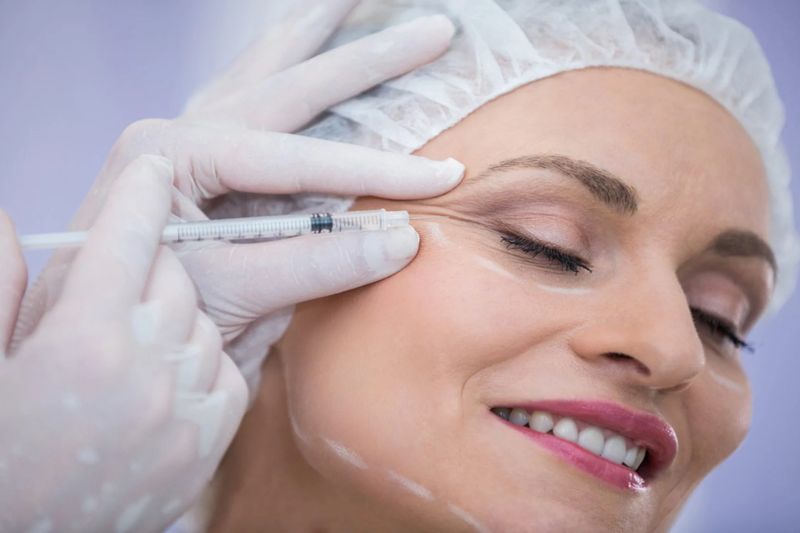
A typical PDRN session involves micro-injections into targeted areas of the skin.
Steps include:
- Skin cleansing and preparation
- Application of numbing cream
- Micro-injection of polynucleotides
- Post-treatment soothing care
The procedure is minimally invasive and usually requires little downtime.
In advanced aesthetic centers, such as those offering polynucleotide injection Dubai, treatments are performed using high-quality medical-grade products under professional supervision.
PDRN in Aesthetic Medicine
Regenerative aesthetics has gained strong global attention, especially in regions known for advanced cosmetic innovation.
For example, salmon DNA therapy Dubai has become increasingly popular among individuals seeking non-surgical skin rejuvenation solutions that improve skin quality over time rather than simply masking imperfections.
Who Is an Ideal Candidate?
PDRN therapy is suitable for individuals who:
- Want to improve skin texture
- Are experiencing early signs of aging
- Have acne scars or pigmentation
- Prefer natural regeneration over fillers
- Seek long-term skin health improvement
It is generally safe for most skin types when performed by qualified professionals.
Possible Side Effects
Although PDRN therapy is considered safe, some mild side effects may occur:
- Redness
- Swelling
- Mild bruising
- Temporary sensitivity
These effects usually resolve within a few days.
Skin Rejuvenation Trends
Modern aesthetic medicine is increasingly focused on regenerative solutions rather than purely volumizing treatments.
In many clinics offering skin rejuvenation Dubai, PDRN is combined with other therapies such as microneedling or laser treatments to enhance overall results.
Treatment Frequency and Results
For optimal outcomes, multiple sessions are typically recommended.
General guideline:
- Initial phase: 2–4 sessions
- Maintenance: every 4–6 months
- Visible improvement: gradual over weeks
Results continue to improve as the skin regenerates from within.
Frequently Asked Questions (FAQ)
What is PDRN polynucleotide therapy used for?
It is used to regenerate skin, improve elasticity, reduce fine lines, and support overall skin repair.
Is PDRN better than fillers?
Not necessarily. Fillers provide immediate volume, while PDRN focuses on long-term skin health and regeneration.
How long does it take to see results?
Most patients notice improvements within a few weeks, with continued enhancement over several months.
Is the treatment painful?
Discomfort is minimal due to numbing creams and fine injection techniques.
Is PDRN safe for all skin types?
Yes, it is generally safe when administered by trained medical professionals.
Conclusion
PDRN polynucleotide therapy skin represents a major advancement in regenerative aesthetic medicine. Unlike traditional cosmetic procedures, it focuses on repairing and revitalizing the skin from within, promoting long-term improvement in texture, elasticity, and overall health. With its scientifically supported mechanism and growing popularity worldwide, PDRN continues to redefine modern approaches to skin rejuvenation and anti-aging care.


