

Bringing a new baby into the world is an exciting and life-changing experience. However, many women are surprised to notice increased hair shedding in the months following childbirth. While this can be alarming, post pregnancy hair loss is a common and usually temporary condition that affects a large number of new mothers.
Understanding why postpartum hair loss occurs, how long it lasts, and what treatment options are available can help ease concerns and support a healthy recovery.
What Is Post Pregnancy Hair Loss?
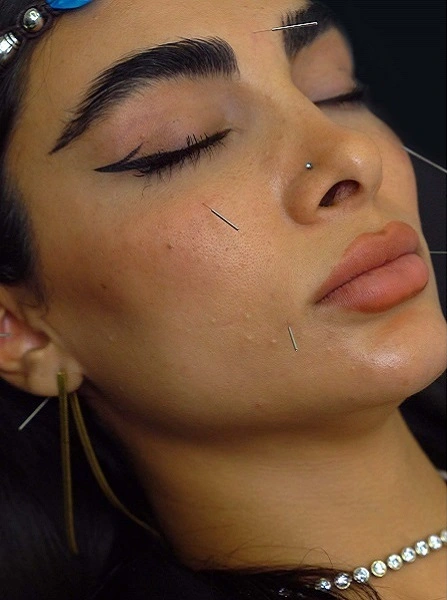
Postpartum hair loss refers to excessive hair shedding that occurs after giving birth. During pregnancy, many women experience thicker, fuller hair due to hormonal changes. After delivery, hormone levels begin to return to normal, causing a significant number of hair follicles to enter the shedding phase simultaneously.
This process is medically known as telogen effluvium and is considered a natural part of the postpartum recovery period.
Why Does Hair Loss Occur After Pregnancy?
The primary cause of post pregnancy hair loss is a rapid decline in estrogen levels following childbirth.
During Pregnancy
Higher estrogen levels help prolong the growth phase of the hair cycle. As a result:
- Hair remains in the growth stage longer
- Less hair falls out
- Hair appears thicker and fuller
After Pregnancy
Once hormone levels decrease:
- Hair follicles return to their normal cycle
- Stored hair begins to shed
- Noticeable hair loss may occur
This shedding is often more dramatic because many hairs enter the resting phase at the same time.
When Does Postpartum Hair Loss Start?
Most women begin to notice increased shedding between:
- 2 to 4 months after delivery
Hair loss often reaches its peak around:
- 4 to 6 months postpartum
In most cases, hair growth gradually returns to normal within the first year after childbirth.
Common Symptoms
Postpartum hair loss may present with several noticeable signs.
Typical Symptoms Include
- Excessive hair shedding while brushing
- Hair accumulation in the shower drain
- Increased hair on pillows or clothing
- Reduced hair volume
- Thinning around the temples and hairline
Although the shedding can seem severe, complete baldness is extremely rare.
Who Is More Likely to Experience Postpartum Hair Loss?
While postpartum hair shedding can affect any new mother, certain factors may increase the likelihood or severity.
Risk Factors
- High stress levels
- Nutritional deficiencies
- Thyroid disorders
- Multiple pregnancies
- Lack of sleep
- Significant blood loss during childbirth
Addressing these factors may help support healthier hair recovery.
How Long Does Post Pregnancy Hair Loss Last?
One of the most common concerns among new mothers is how long the shedding will continue.
For most women:
- Hair loss improves within 6 to 12 months
- Hair density gradually returns
- The normal growth cycle resumes naturally
Patience is important, as hair regrowth takes time.
Nutritional Support for Hair Recovery
Proper nutrition plays a vital role in supporting healthy hair growth after pregnancy.
Important Nutrients
- Iron
- Protein
- Vitamin D
- Zinc
- Biotin
- Vitamin B12
A balanced diet rich in fruits, vegetables, lean proteins, and healthy fats can help provide the nutrients necessary for optimal hair recovery.
Lifestyle Tips to Reduce Hair Shedding
Although postpartum hair loss cannot always be prevented, certain habits may help minimize additional stress on the hair.
Helpful Strategies
- Use gentle shampoos
- Avoid tight hairstyles
- Minimize heat styling
- Reduce chemical treatments
- Manage stress levels
- Prioritize sleep whenever possible
These measures can help protect fragile hair during the recovery period.
Treatment Options for Postpartum Hair Loss
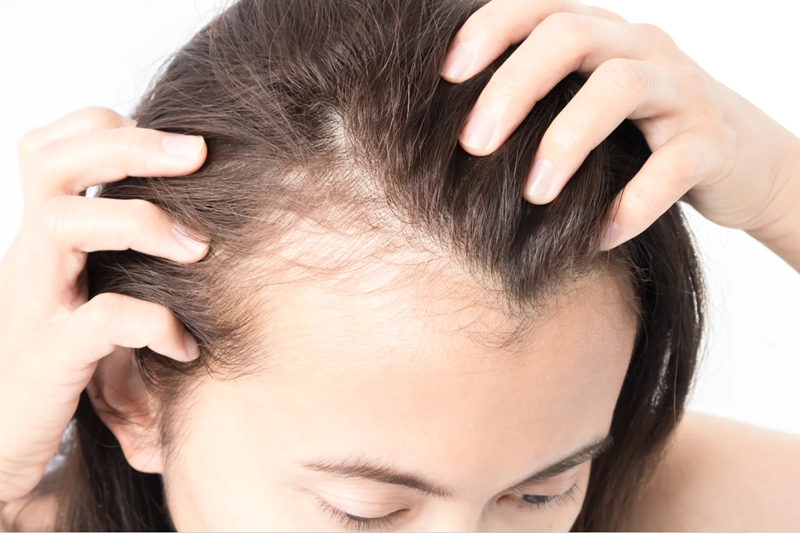
In most cases, no medical treatment is required because the condition resolves naturally.
However, some women seek professional support when hair shedding becomes prolonged or particularly distressing.
Common Treatment Approaches
- Nutritional supplementation
- Scalp care therapies
- PRP treatments
- Low-level laser therapy
- Medical evaluation for underlying deficiencies
The appropriate treatment depends on the individual’s specific needs and medical history.
Emerging Regenerative Treatments
Advances in regenerative medicine have introduced innovative approaches to hair restoration.
One area gaining increasing attention is exosomes therapy, which focuses on enhancing cellular communication and supporting follicle regeneration through bioactive signaling molecules.
Although research is ongoing, regenerative treatments continue to expand the possibilities for non-surgical hair restoration.
The Role of Stress in Postpartum Hair Loss
The postpartum period often involves physical exhaustion, hormonal fluctuations, and emotional adjustments.
Stress may worsen shedding by disrupting the normal hair growth cycle.
Healthy stress-management techniques include:
- Walking and light exercise
- Meditation
- Deep breathing practices
- Social support
- Adequate rest
Taking care of mental health is an important part of supporting overall recovery.
When Should You See a Doctor?
While postpartum shedding is generally normal, medical evaluation may be necessary if:
- Hair loss continues beyond one year
- Bald patches develop
- Symptoms worsen significantly
- There are signs of thyroid dysfunction
- Severe fatigue accompanies the hair loss
A healthcare provider can identify any underlying medical conditions contributing to excessive shedding.
Future Hair Restoration Options
The field of regenerative aesthetics continues to evolve rapidly.
Today, advanced treatments such as exosomes therapy dubai are attracting interest among individuals seeking innovative solutions for hair rejuvenation and follicle support. As research progresses, these therapies may play an increasingly important role in comprehensive hair restoration strategies.
Post pregnancy hair loss is a common and temporary condition caused primarily by hormonal changes after childbirth. Although increased shedding can be alarming, it is usually a normal part of the postpartum recovery process. Maintaining a healthy diet, managing stress, practicing gentle hair care, and seeking professional advice when necessary can all support healthier hair regrowth. In most cases, patience and proper self-care are the key factors in restoring hair density and confidence after pregnancy.


