

Feeling tired occasionally is normal, especially after physical activity, stress, or a poor night’s sleep. However, persistent exhaustion that does not improve with adequate rest may indicate an underlying health problem.
The causes of extreme fatigue range from nutritional deficiencies and hormonal imbalances to sleep disorders and chronic illnesses. Identifying the reason behind low energy is important because the right treatment depends on the underlying condition.
Reasons for Extreme Fatigue
Extreme tiredness can develop when the body cannot maintain normal energy production, oxygen delivery, or restorative sleep. Although several conditions share similar symptoms, their underlying mechanisms are different.
Here are seven possible explanations for persistent fatigue.
1. Iron Deficiency and Anemia
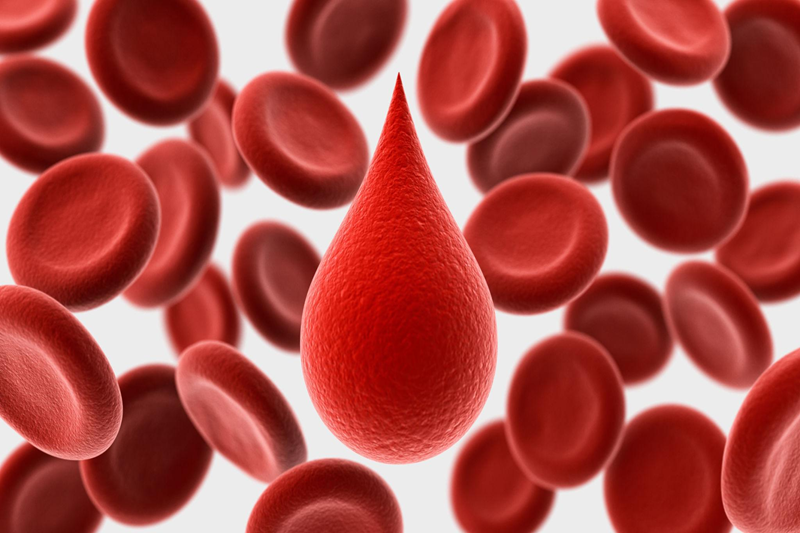
Iron is essential for producing hemoglobin, the protein in red blood cells responsible for carrying oxygen throughout the body. When iron levels become insufficient, oxygen delivery may be affected, contributing to weakness and exhaustion.
If iron deficiency progresses to anemia, fatigue may become more noticeable and interfere with everyday activities.
Other symptoms include:
- Pale skin
- Dizziness or lightheadedness
- Shortness of breath during activity
- Headaches
- Heart palpitations
Heavy menstrual bleeding, inadequate dietary iron, and certain digestive conditions can increase the risk of iron deficiency. A complete blood count (CBC) and ferritin test can help identify the problem.
2. Thyroid Hormone Imbalances
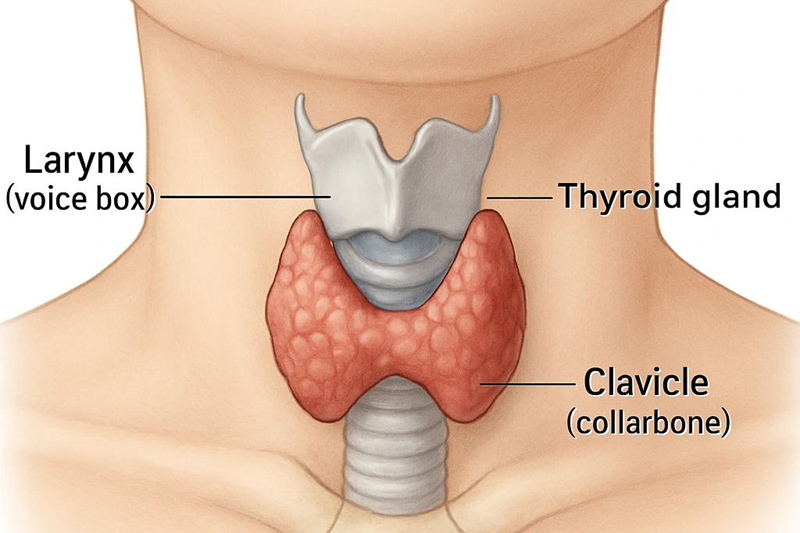
The thyroid gland regulates metabolism and several processes involved in energy use. When it produces insufficient hormones, a condition known as hypothyroidism, many bodily functions slow down.
This can cause persistent tiredness, even after a full night’s sleep.
Other signs may include unexplained weight gain, constipation, dry skin, increased sensitivity to cold, and difficulty concentrating.
Thyroid function tests, particularly thyroid-stimulating hormone (TSH) and free thyroxine (T4), help assess whether an imbalance is contributing to fatigue.
3. Sleep Disorders
Sleep duration does not always reflect sleep quality. Conditions such as obstructive sleep apnea can repeatedly interrupt breathing during the night, preventing restorative sleep.
People with sleep apnea may experience:
- Loud, persistent snoring
- Gasping or choking during sleep
- Morning headaches
- Difficulty concentrating
- Daytime sleepiness
Insomnia and restless legs syndrome can also interfere with normal sleep patterns. If someone continues feeling exhausted despite spending enough time in bed, a medical assessment or sleep study may help identify the cause.
4. Blood Sugar Imbalances
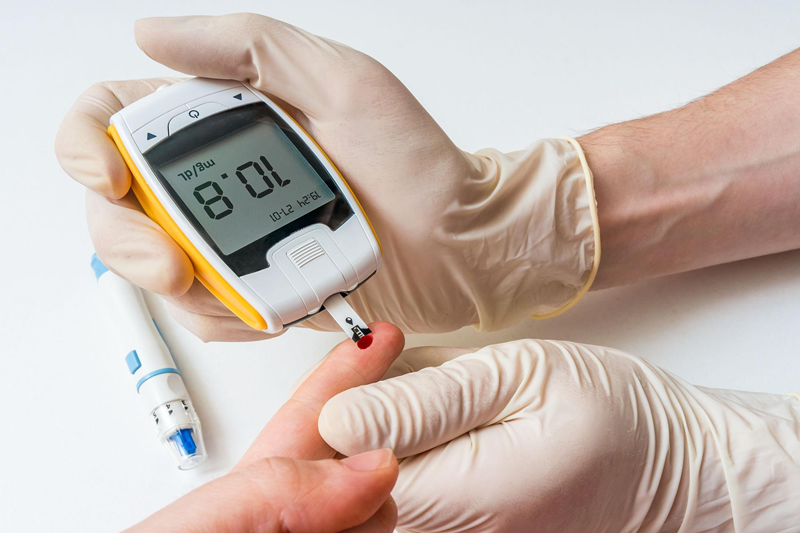
Glucose provides energy for the body’s cells. However, problems with insulin production or function can interfere with normal blood sugar regulation.
Diabetes is an important condition to consider when investigating persistent fatigue. High blood glucose levels may be accompanied by increased thirst, frequent urination, blurred vision, and unexplained weight changes.
Insulin resistance can also affect glucose regulation and may develop before type 2 diabetes.
Fasting blood glucose and HbA1c tests can help assess blood sugar levels and identify possible abnormalities.
5. Chronic Stress and Depression
Prolonged psychological stress can affect sleep, concentration, appetite, and emotional well-being. Over time, these changes may contribute to physical and mental exhaustion.
Depression can also cause persistent low energy, reduced motivation, and loss of interest in everyday activities.
Possible symptoms include:
- Difficulty concentrating
- Changes in sleep patterns
- Irritability
- Persistent low mood
- Reduced motivation
Although stress can contribute to extreme exhaustion and fatigue, it should not automatically be considered the cause. Other medical conditions may produce similar symptoms and should be considered during assessment.
6. Vitamin B12 and Vitamin D Deficiencies

Nutritional deficiencies can affect several functions necessary for maintaining normal physical performance.
Vitamin B12 supports red blood cell formation and nervous system function. Low levels can cause anemia, weakness, and neurological symptoms such as tingling or numbness.
Vitamin D is important for bone and muscle health. Severe deficiency can contribute to muscle weakness, although fatigue alone does not establish that vitamin D levels are low.
People following restrictive diets, particularly those avoiding animal products, may have an increased risk of vitamin B12 deficiency. Certain digestive conditions can also reduce nutrient absorption.
Blood tests can help confirm these deficiencies and determine whether supplementation is appropriate.
7. Chronic Infections and Inflammatory Conditions
The immune system requires energy to respond to infections and inflammation. Certain illnesses can therefore cause prolonged tiredness, sometimes continuing after the initial symptoms have improved.
Viral infections, including COVID-19 and infectious mononucleosis, can be followed by persistent fatigue.
Autoimmune conditions such as rheumatoid arthritis and lupus may also contribute to exhaustion through ongoing inflammation, pain, and disrupted sleep.
Depending on the condition, additional symptoms may include:
- Recurring fever
- Muscle or joint pain
- Swollen lymph nodes
- Night sweats
- Unexplained weight loss
When these symptoms accompany persistent fatigue, medical evaluation is important to identify the underlying condition.
Feeling Extremely Tired All the Time: When Should You Be Concerned?

Occasional tiredness usually improves with rest and adequate sleep. However, feeling extremely tired all the time without an obvious explanation deserves attention, particularly when it affects work, concentration, or daily activities.
Consider arranging a medical assessment if:
- Fatigue lasts for several weeks without improvement.
- You experience unexplained weight loss.
- You regularly feel dizzy or weak.
- You notice significant changes in mood or appetite.
- You experience persistent fever or night sweats.
- You have difficulty breathing during normal activities.
Chest pain, fainting, severe shortness of breath, or sudden confusion require urgent medical attention.
Persistent fatigue should not automatically be attributed to a busy lifestyle or lack of motivation. A healthcare professional can assess accompanying symptoms and determine whether further investigation is necessary.
Source: NHS
How Is Extreme Fatigue Diagnosed?
Identifying the causes of extreme fatigue usually begins with reviewing medical history, sleep habits, medications, diet, and accompanying symptoms.
Depending on the findings, a healthcare professional may recommend specific tests rather than ordering every available investigation.
| Medical test | What it evaluates |
|---|---|
| Complete blood count (CBC) | Anemia and blood abnormalities |
| Ferritin | Stored iron levels |
| TSH and free T4 | Thyroid function |
| Fasting glucose or HbA1c | Blood sugar regulation |
| Vitamin B12 | Possible B12 deficiency |
| Vitamin D | Vitamin D status when clinically indicated |
Additional tests may be necessary if symptoms suggest infection, inflammation, or another medical condition. The choice of investigations should be guided by clinical findings and individual risk factors.
Can Peptide Therapy Help Improve Energy Levels?
Peptides are short chains of amino acids that participate in biological signaling and various physiological processes.
Certain peptide-based treatments have established medical applications, while others are being investigated for their potential effects on metabolism, recovery, and cellular functions.
However, evidence varies considerably between different peptides. Many newer wellness-related peptide treatments have limited human research and are not established treatments for unexplained fatigue.
You can learn more about potential applications and treatment considerations in our guide to Peptide Therapy in Dubai.
Peptide therapy should not replace medical evaluation or treatment of underlying conditions. Its suitability depends on the specific peptide, available clinical evidence, and individual health needs.
Frequently Asked Questions
1. What are the most common causes of extreme fatigue?
Common causes include iron-deficiency anemia, thyroid disorders, sleep problems, diabetes, chronic stress, depression, and nutritional deficiencies. Certain infections and chronic illnesses can also contribute to persistent exhaustion.
2. Why am I extremely tired even after sleeping?
Poor sleep quality, sleep apnea, hormonal imbalances, anemia, and other medical conditions can cause tiredness despite adequate sleep duration. Identifying accompanying symptoms can help narrow down the possible causes.
3. Can vitamin deficiencies cause extreme tiredness?
Yes. Vitamin B12 deficiency can cause anemia and neurological problems, while significant vitamin D deficiency may contribute to muscle weakness. Blood tests can help determine whether supplementation is necessary.
4. When should I see a doctor about fatigue?
Consider seeing a healthcare professional if fatigue lasts several weeks, affects daily activities, or occurs alongside unexplained weight loss, persistent fever, dizziness, or other concerning symptoms.
5. Can peptide therapy treat chronic fatigue?
There is currently insufficient evidence to consider peptide therapy a general or established treatment for chronic fatigue. Treatment should focus on identifying the underlying cause and selecting an evidence-based approach.
Final Thoughts
Extreme fatigue can have several underlying causes, from nutritional deficiencies to hormonal disorders and chronic illnesses. Identifying the specific reason is essential for choosing an appropriate treatment.
If exhaustion persists despite adequate rest, a medical assessment can help uncover potential health problems and support a more targeted approach to improving energy levels.


