
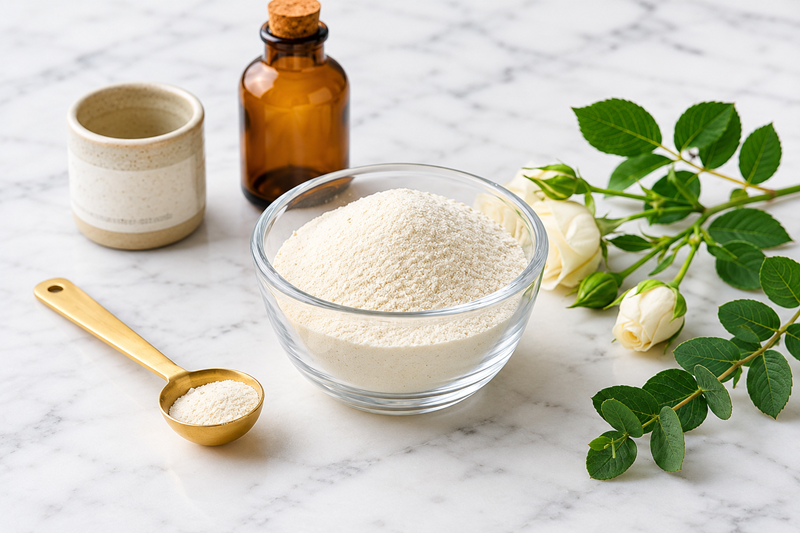
Collagen peptides are widely used in beauty and wellness products because of their potential benefits for skin and joint health. However, their growing popularity has raised an important question for Muslim consumers: Are collagen peptides halal?
Since collagen is usually obtained from animal tissues, its halal status depends on its original source and how it is processed. While some sources are generally considered permissible, others are prohibited under Islamic dietary guidelines.
What Are Collagen Peptides?
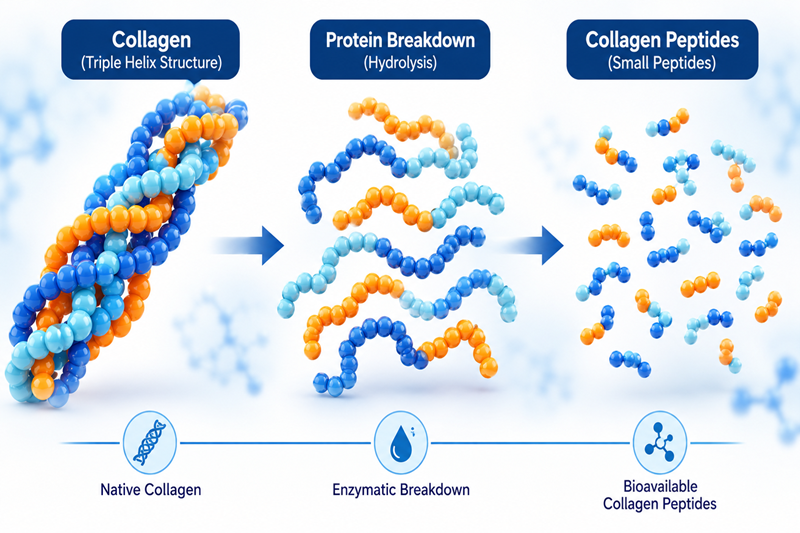
Collagen peptides are small protein fragments produced by breaking down larger collagen molecules through a process called hydrolysis. They are also known as hydrolyzed collagen.
Collagen is the most abundant structural protein in the human body. It provides support to several tissues, including:
- Skin: Helps maintain firmness and elasticity.
- Bones: Contributes to their structure and strength.
- Tendons and ligaments: Supports connective tissues.
- Cartilage: Helps cushion and protect joints.
As the body ages, natural collagen production gradually decreases. This can contribute to changes in skin elasticity and the structure of connective tissues.
Unlike larger collagen molecules, collagen peptides have smaller protein fragments that are easier to digest. They are commonly used in powders, capsules, and other dietary supplements.
It is also important to distinguish collagen peptides from cosmetic peptide treatments. Although both involve peptides, they have different formulations and purposes. Learn more about their cosmetic applications on Paramy’s Peptide Therapy page.
What Are Collagen Peptides Made Of?
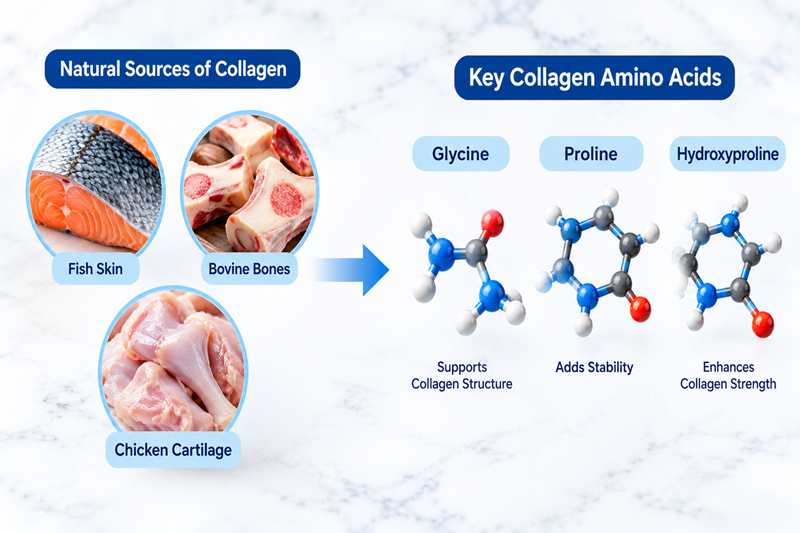
To understand what collagen peptides are made of, it is important to consider their amino acid composition and original source.
Collagen peptides contain several amino acids, particularly:
- Glycine: The most abundant amino acid in collagen, helping maintain its structural composition.
- Proline: Contributes to collagen stability.
- Hydroxyproline: Helps maintain the structure of collagen proteins.
These amino acids are naturally found in collagen-rich animal tissues, including skin, bones, and connective tissues.
Common Sources of Collagen Peptides
Commercial collagen peptides are generally obtained from several animal sources. Their origin is particularly important when determining whether a product meets halal requirements.
| Collagen Source | Common Origin | General Halal Considerations |
|---|---|---|
| Bovine | Cattle hides and bones | Requires halal slaughter and appropriate processing |
| Marine | Fish skin, bones, and scales | Generally considered halal |
| Porcine | Pig skin and bones | Haram |
| Chicken | Poultry bones and cartilage | Requires halal slaughter and appropriate processing |
The hydrolysis process does not change the original animal source. Therefore, hydrolyzed collagen from a prohibited source does not automatically become halal simply because it has been processed into smaller peptides.
What Are Collagen Peptides Good For?
Collagen peptides are commonly used in supplements designed to support skin and connective tissue health. Research has investigated several potential benefits, although the available evidence varies.
1. Supporting Skin Hydration and Elasticity
Collagen is an important component of the skin’s structure. It helps maintain firmness and elasticity, while changes in natural collagen production can contribute to visible signs of ageing.
Some clinical studies have reported improvements in skin hydration and elasticity following collagen supplementation. However, research findings are not consistent, and there is not enough strong evidence to establish collagen supplements as a proven anti-ageing treatment.
2. Supporting Joint Health
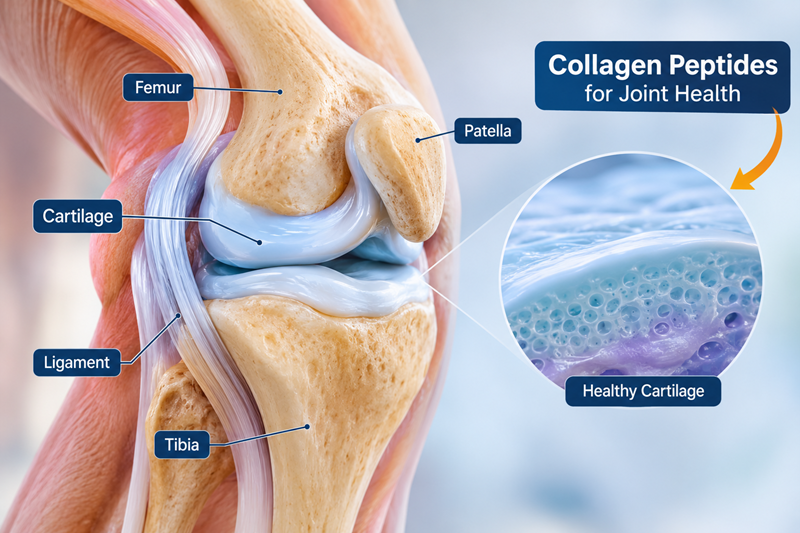
Collagen is a major component of cartilage, which cushions joints and helps reduce friction during movement.
Researchers have investigated whether collagen peptide supplementation can support joint comfort and mobility. However, more high-quality clinical studies are needed to establish its effectiveness.
3. Supporting Hair and Nail Health
Collagen supplements are also marketed for stronger nails and healthier-looking hair. Their amino acids contribute to the body’s overall protein supply, but direct evidence that collagen peptides improve hair growth or prevent hair loss remains limited.
Overall, collagen peptides should not be considered a replacement for a balanced diet or appropriate medical and skincare treatments.
For further scientific information, see this systematic review of collagen supplementation and skin ageing.
Are Collagen Peptides Halal or Haram?
Collagen peptides are not automatically halal or haram. Their permissibility depends primarily on the animal source, slaughter method, and manufacturing process.
For example, collagen obtained from pigs is considered haram, while collagen from cattle and chickens requires additional verification.
The following factors are important:
- Animal source: The original animal must be permissible under Islamic dietary guidelines.
- Slaughter method: Land animals must be slaughtered according to applicable Islamic requirements.
- Processing: Manufacturing must meet relevant halal standards.
- Cross-contamination: Production should prevent contact with prohibited substances.
It is also worth noting that halal interpretations can vary between Islamic scholars and certifying authorities. Consumers should consider the standards they follow when checking a product’s status.
Why Is Halal Certification Important for Collagen?
Halal certification helps consumers verify whether a collagen product meets specific Islamic dietary requirements.
This is particularly important because the final collagen powder may not reveal where its raw materials originally came from.
A reliable certification process may examine:
- The origin of animal-derived ingredients.
- Slaughter practices for land animals.
- Processing methods and manufacturing facilities.
- Additional ingredients and processing aids.
- Measures to prevent cross-contamination.
A product labelled natural, pure, or grass-fed is not automatically halal. These descriptions do not confirm the animal’s slaughter method or the conditions under which the collagen was manufactured.
Checking for certification from a recognized halal authority can provide additional assurance.
How to Check If Collagen Peptides Are Halal
Before choosing a collagen-containing product, consumers should examine more than its main ingredient.
Here are four practical steps:
1. Identify the Collagen Source
Check whether the product contains bovine, marine, chicken, or porcine collagen. If the source is unclear, contact the manufacturer.
2. Read the Full Ingredient List
Other ingredients can also affect halal status. For example, capsules may contain animal-derived gelatin, while certain additives and processing aids may require further verification.
3. Check Halal Certification
Look for a valid certification logo and identify the organization responsible for issuing it. When possible, verify the certificate rather than relying only on marketing claims.
4. Review Manufacturing Information
Check whether the manufacturer provides information about ingredient sourcing, production facilities, and measures to prevent contamination with non-halal substances.
These steps can help consumers assess a product without making assumptions based solely on its name or packaging.
Frequently Asked Questions About Collagen Peptides
Are All Collagen Peptides Halal?
No. Their halal status depends on their animal source and manufacturing process. Porcine collagen is haram, while bovine and chicken collagen require appropriate halal sourcing and slaughter.
What Are Collagen Peptides Made Of?
Collagen peptides are made from animal-derived collagen that has been broken down through hydrolysis. They contain amino acids such as glycine, proline, and hydroxyproline.
Is Marine Collagen Always Halal?
Marine collagen is generally considered halal because it comes from fish. However, additional ingredients and manufacturing conditions should still be checked.
Is Bovine Collagen Halal?
Bovine collagen can be halal if the cattle are slaughtered according to Islamic requirements and the collagen is processed under appropriate conditions. Halal certification can help verify these details.
Is Hydrolyzed Collagen the Same as Collagen Peptides?
Yes. Both terms generally describe collagen that has been broken down into smaller protein fragments through hydrolysis.
Is Vegan Collagen the Same as Collagen Peptides?
No. Vegan collagen products do not contain traditional animal-derived collagen. Instead, they usually contain nutrients such as vitamin C, zinc, and amino acids that support the body’s natural collagen production.
Final Thoughts
Collagen peptides can come from different animal sources, and their halal status depends on their origin and processing. While marine collagen is generally considered permissible, bovine and chicken collagen require halal verification, whereas porcine collagen is haram.
Checking ingredient lists and reliable halal certification can help consumers make informed choices. In our next guide, we will explore some of the best halal collagen supplements.


