
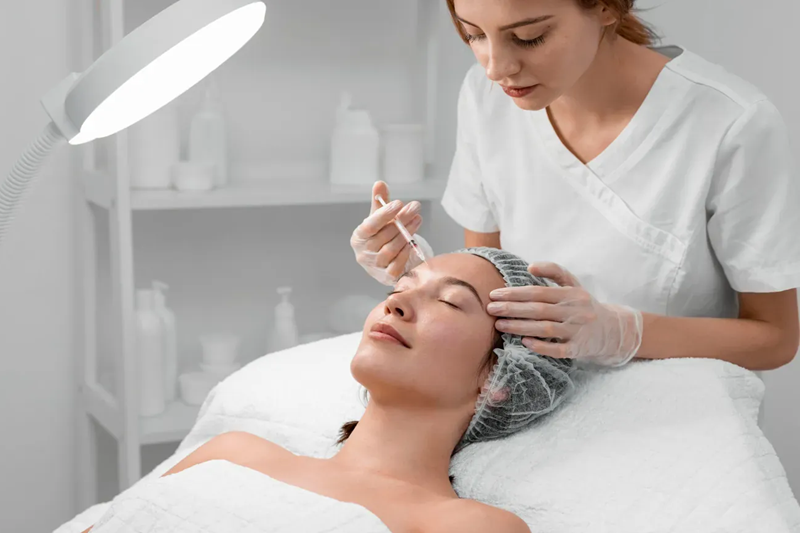
Regenerative medicine is rapidly transforming the fields of aesthetic dermatology and hair restoration. While Platelet-Rich Plasma (PRP) has long been considered one of the leading regenerative treatments, exosome therapy is emerging as a next-generation alternative. As interest in exosome therapy skin hair benefits continues to grow, many patients are asking whether exosomes can deliver superior results compared to PRP.
Clinics offering exosome therapy Dubai are increasingly integrating this innovative treatment into protocols for skin rejuvenation, anti-aging, and hair restoration. But what exactly are exosomes, how do they work, and are they truly the next step beyond PRP?
This comprehensive guide explores the science, benefits, clinical evidence, and treatment considerations behind exosome therapy for both skin and hair.
What Is Exosome Therapy?
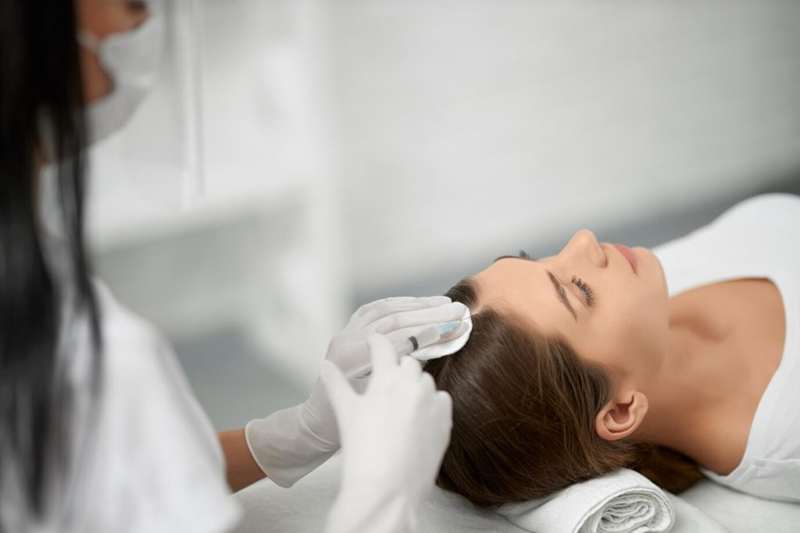
Exosomes are microscopic extracellular vesicles naturally released by cells. Rather than being living cells themselves, they act as biological messengers that carry proteins, growth factors, lipids, messenger RNA (mRNA), and signaling molecules between cells.
Their primary role is cellular communication.
When applied therapeutically, exosomes deliver regenerative signals that encourage damaged tissues to repair themselves. Instead of replacing cells, they stimulate existing cells to function more efficiently.
Unlike stem cell therapy, exosome therapy is cell-free, making it an exciting development in regenerative medicine.
How Exosomes Work
Healthy cells constantly communicate with neighboring tissues through signaling molecules.
Exosomes carry messages that instruct cells to:
- Produce more collagen
- Reduce inflammation
- Improve tissue healing
- Stimulate new blood vessel formation
- Activate dormant hair follicles
- Increase cellular repair mechanisms
These biological signals explain many of the documented exosome therapy skin hair benefits observed in clinical practice.
Why Exosomes Are Different From PRP
PRP uses growth factors derived from the patient’s own blood.
Exosomes deliver hundreds of signaling molecules that originate from carefully processed regenerative sources.
This distinction creates significant biological differences.
| PRP | Exosome Therapy |
|---|---|
| Uses patient’s platelets | Uses purified extracellular vesicles |
| Limited growth factors | Hundreds of signaling proteins |
| Variable quality between patients | Standardized production |
| Depends on platelet concentration | High biological activity |
| Moderate regenerative effect | Potentially stronger cellular signaling |
This comparison has fueled the growing discussion around exosomes vs PRP, especially among physicians specializing in regenerative aesthetics.
Exosome Therapy for Hair Loss
Hair follicles are miniature organs that depend on healthy cellular communication.
When inflammation, aging, hormonal imbalance, or stress disrupt these signals, follicles gradually weaken.
Exosomes help restore these communication pathways.
Potential benefits include:
- Activation of dormant follicles
- Improved scalp circulation
- Reduced inflammatory damage
- Longer hair growth cycles
- Stronger hair shafts
- Increased follicle survival
Patients experiencing androgenetic alopecia, diffuse thinning, or early-stage hair loss may benefit from regenerative protocols combining exosomes with microneedling.
Some clinics also compare these outcomes with PRF hair treatment Dubai, as both therapies aim to stimulate follicular regeneration through biological signaling, although their mechanisms differ.
Exosome Therapy for Skin Rejuvenation
The skin naturally loses collagen, elastin, and hydration with age.
Environmental stressors such as UV radiation, pollution, and oxidative damage accelerate this process.
Exosomes support skin renewal by enhancing communication between fibroblasts and surrounding tissues.
Common treatment goals include:
- Fine line reduction
- Improved elasticity
- Brighter skin tone
- Faster wound healing
- Reduced redness
- Better skin texture
- Increased collagen production
These improvements have positioned exosomes as one of the fastest-growing areas within regenerative aesthetics.
Skin Conditions That May Benefit
Although research continues to evolve, exosome therapy is being explored for:
- Photoaging
- Acne scars
- Surgical scar healing
- Melasma support
- Rosacea recovery
- Skin barrier repair
- Chronic inflammation
Most specialists view exosomes as part of a comprehensive treatment strategy rather than a standalone solution.
Exosome Therapy vs Stem Cell Therapy
Many patients confuse stem cell therapy with exosome therapy.
However, they are fundamentally different.
Stem cells are living cells capable of differentiation.
Exosomes are communication particles released by those cells.
Rather than introducing new cells into the body, exosomes provide biological instructions that encourage existing tissues to repair themselves.
This distinction has increased interest in stem cell exosome Dubai programs, where clinicians incorporate advanced regenerative technologies into personalized treatment protocols.
Scientific Evidence Behind Exosome Therapy
Research into exosome therapy is expanding rapidly.
Early laboratory and clinical studies suggest exosomes may:
- Accelerate tissue repair
- Reduce inflammatory cytokines
- Increase collagen synthesis
- Improve wound healing
- Enhance angiogenesis
- Promote follicle regeneration
However, long-term, large-scale randomized clinical trials are still needed to establish standardized treatment protocols and confirm long-term efficacy across different conditions.
While current evidence is promising, patients should understand that research continues to evolve.
What Happens During Treatment?
A typical session usually involves several steps.
Consultation
The physician evaluates:
- Skin condition
- Hair density
- Medical history
- Treatment goals
Skin Preparation
The treatment area is cleansed thoroughly.
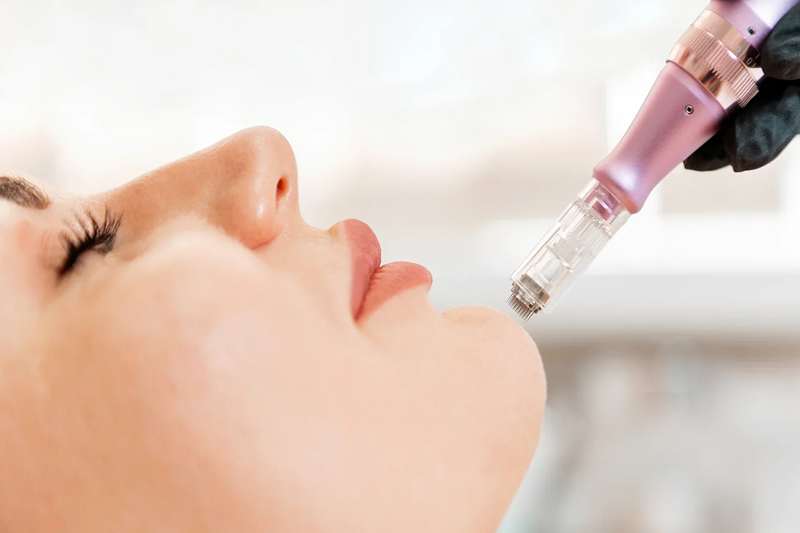
Some clinics perform microneedling or fractional laser beforehand to improve exosome absorption.
Application
Depending on the protocol, exosome injection Dubai skin procedures may involve superficial injections or topical application immediately after controlled skin microchannels are created.
Recovery
Patients generally experience mild redness for 24–48 hours.
Normal activities can usually resume the following day.
Who Is a Good Candidate?
Exosome therapy may be appropriate for individuals who have:
- Early hair thinning
- Aging skin
- Acne scars
- Sun damage
- Reduced skin elasticity
- Slow healing skin
It is generally less effective when hair follicles have been permanently lost or severe scarring is present.
A medical consultation remains essential before treatment.
Potential Benefits
Patients often choose exosome therapy because it offers:
- Minimally invasive treatment
- Little downtime
- Natural regenerative mechanisms
- Broad applications for skin and hair
- Combination potential with other aesthetic procedures
Individual outcomes vary depending on age, genetics, overall health, and treatment protocol.
Are There Any Risks?
Current studies suggest exosome therapy is generally well tolerated when performed under appropriate clinical standards.
Possible temporary side effects include:
- Mild swelling
- Redness
- Tenderness
- Temporary sensitivity
Because regulatory standards differ between countries, patients should seek treatment from experienced medical professionals using high-quality, clinically sourced products.
Exosome Therapy vs PRP: Which One Is Better?
There is no universal answer.
PRP remains an excellent regenerative treatment supported by years of clinical use.
Exosome therapy represents a newer technology with potentially stronger biological signaling.
For some patients:
- PRP may be sufficient for mild concerns.
- Exosomes may provide additional regenerative stimulation.
- Combination protocols may deliver complementary benefits.
The best option depends on the patient’s condition, treatment goals, and physician recommendations.
The Future of Regenerative Aesthetic Medicine
The field of regenerative medicine continues to evolve rapidly.
Future developments may include:
- Personalized exosome formulations
- AI-guided regenerative treatment planning
- Combination biologic therapies
- Precision molecular diagnostics
- Gene-informed regenerative protocols
As scientific understanding improves, exosomes may become an increasingly important component of evidence-based aesthetic medicine.
Frequently Asked Questions (FAQ)
What are exosomes?
Exosomes are microscopic extracellular vesicles that transport biological signals between cells to support tissue repair and regeneration.
Is exosome therapy better than PRP?
It depends on the condition being treated. Exosomes provide more diverse signaling molecules, while PRP remains a well-established regenerative option.
How many sessions are usually recommended?
Many patients undergo three to six sessions, although treatment plans vary based on individual needs.
Can exosome therapy treat advanced hair loss?
It may help in early to moderate stages, but severely damaged or inactive follicles often require additional treatment options.
Is there any downtime?
Most patients experience only mild redness or swelling that resolves within one or two days.
Conclusion
The growing interest in exosome therapy skin hair benefits reflects a broader shift toward regenerative medicine that focuses on enhancing the body’s natural healing mechanisms rather than simply treating symptoms. By improving cellular communication, reducing inflammation, and supporting tissue repair, exosome therapy offers exciting possibilities for both skin rejuvenation and hair restoration.
Although more long-term research is needed, current evidence suggests that exosomes represent a promising advancement beyond traditional regenerative treatments. Whether used alone or alongside therapies such as PRP, exosome therapy has the potential to play a significant role in the future of aesthetic and regenerative medicine.


