


Choosing between Botox and dermal fillers can be confusing, especially because both are popular non-surgical aesthetic treatments used to create a smoother, more youthful appearance. However, they work in very different ways and are designed to address different concerns.
Understanding the differences between Botox vs. fillers can help you have a more informed conversation with a qualified aesthetic professional and choose an approach based on your individual goals.
What Is Botox?

Botox is a brand name commonly used for botulinum toxin, an injectable treatment that temporarily reduces muscle activity.
When injected into specific facial muscles, botulinum toxin prevents those muscles from contracting as strongly. This can soften the appearance of dynamic wrinkles—lines that become more noticeable when you make facial expressions.
Botox is commonly used for areas such as:
- Forehead lines
- Frown lines between the eyebrows
- Crow’s feet around the eyes
Results typically begin to become noticeable within several days, with effects commonly lasting around three to four months, although duration can vary between individuals.
If you’re interested in learning more about this treatment, you can also explore our Botox treatment article for additional information.
What Are Dermal Fillers?
Dermal fillers are injectable gel-like substances designed to add volume, restore fullness, or improve the appearance of certain facial lines and contours.
Unlike Botox, fillers do not primarily work by relaxing facial muscles. Instead, they are placed beneath the skin to create a fuller or smoother appearance.
Depending on the product and treatment area, dermal fillers may be used to:
- Restore lost cheek volume
- Enhance the lips
- Improve the appearance of certain facial folds
- Add definition to areas such as the chin
- Reduce the appearance of hollows
- Improve some types of acne scars
Hyaluronic acid is one of the commonly used materials in temporary dermal fillers. The longevity of results depends on the filler material, treatment area, and individual factors.
For a closer look at this treatment option, visit our artiarticle about dermal fillers.
Botox vs. Fillers: What Is the Main Difference?
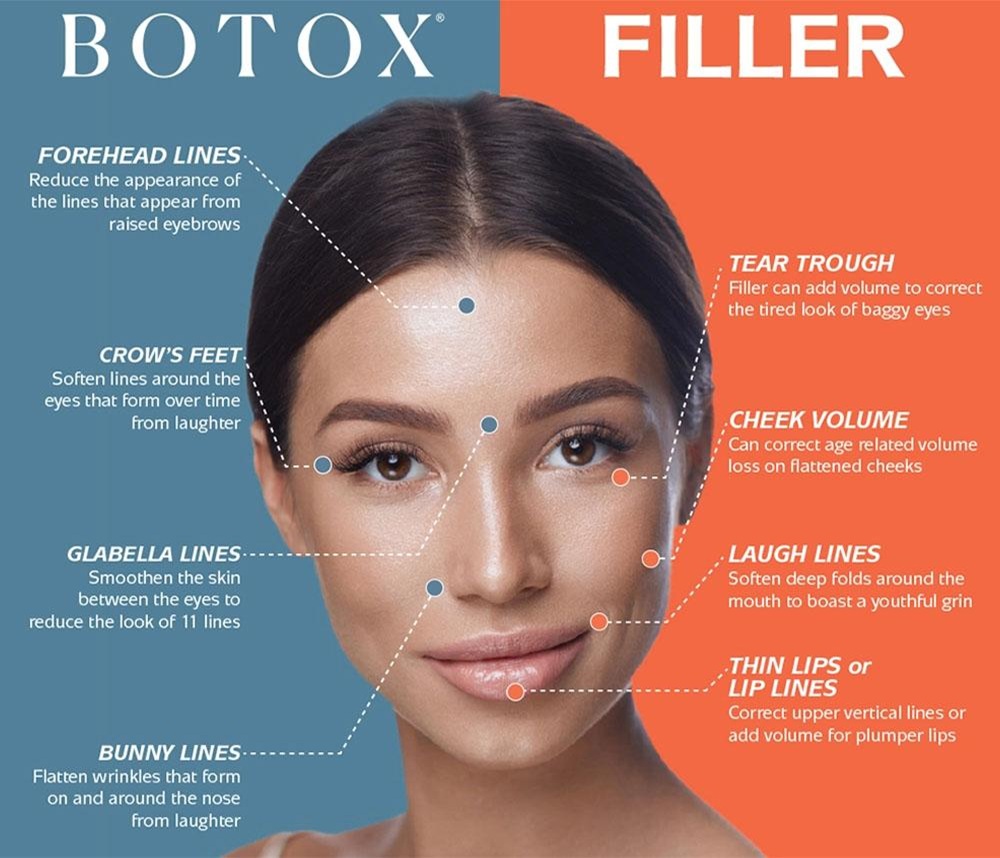
The simplest way to understand Botox vs. fillers is to consider what each treatment is designed to change.
Botox primarily affects muscle movement, while dermal fillers primarily restore or add volume beneath the skin.
| Feature | Botox | Dermal Fillers |
|---|---|---|
| Main action | Temporarily relaxes targeted muscles | Adds or restores volume |
| Best known for | Dynamic expression lines | Volume loss and certain static lines |
| Common areas | Forehead, frown lines, crow’s feet | Lips, cheeks, chin, facial folds |
| Results | Develop over several days | Many fillers provide visible results immediately |
| Duration | Often around 3–4 months | Varies depending on the product and area |
| Main goal | Reduce muscle-related wrinkles | Restore fullness or improve contours |
These differences mean that neither treatment is universally “better.” The right choice depends on the type of concern being treated and the result you want to achieve.
How Do Botox and Fillers Work?
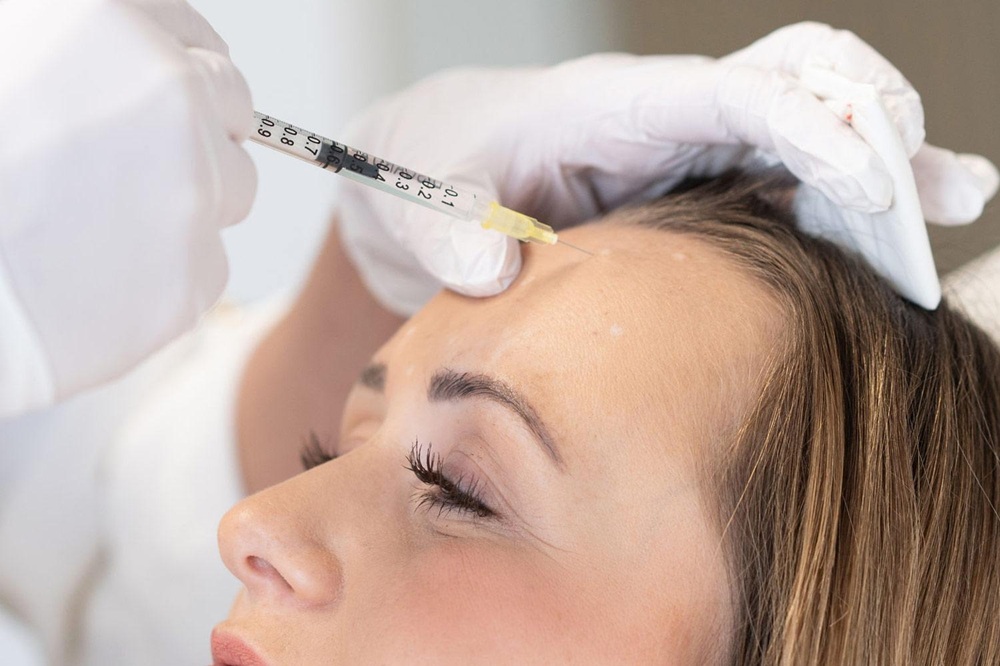
How Botox Works
Botulinum toxin temporarily reduces the activity of selected muscles. When those muscles contract less, expression-related wrinkles can appear softer.
This makes Botox particularly useful for wrinkles associated with repeated facial movements, such as frowning or smiling.
How Dermal Fillers Work
Fillers work differently. They are injected beneath the skin to restore volume or create a smoother, fuller appearance.
For example, facial volume loss can contribute to hollows, folds, and changes in facial contours. A suitable filler can help restore some of that lost fullness when appropriately selected and injected.
Botox vs. Fillers for Different Facial Concerns
One of the easiest ways to understand the difference is to look at the concern you’re trying to address.
Forehead Lines
Forehead lines are often influenced by repeated movement of the forehead muscles. Botox may therefore be considered when these lines are primarily dynamic.
Frown Lines
Lines between the eyebrows are commonly associated with repeated contraction of the muscles used for frowning. Botulinum toxin is commonly used to soften this type of expression line.
Crow’s Feet
Crow’s feet are fine lines that appear around the outer corners of the eyes, particularly when smiling or squinting. Botox may be used to reduce their appearance by temporarily relaxing the targeted muscles.
Loss of Cheek Volume
Loss of facial fullness is a different concern. Dermal fillers may be considered when restoring volume to the cheeks or other areas is the primary goal.
Lip Enhancement
Dermal fillers can be used to add fullness and improve lip shape when appropriate. The goal does not necessarily have to be dramatically larger lips; subtle volume and contouring can also be part of treatment planning.
Facial Folds and Certain Static Lines
Some lines remain visible even when the face is relaxed. Depending on their cause and location, dermal fillers may be considered to improve the appearance of certain folds or depressions.
Botox vs. Fillers: How Long Do Results Last?
The duration of cosmetic injectable treatments varies depending on the product, treatment area, dosage, individual metabolism, and other factors.
Botulinum toxin results commonly last around three to four months, although some people may experience effects for longer.
Dermal filler longevity varies considerably because different filler materials have different properties. For example, the FDA notes that the duration of filler effects depends on the material and injection site.
Because of this variation, it’s better to avoid assuming that every filler or every Botox treatment will last for the same amount of time.
Botox vs. Fillers: Which One Is Right for You?
There isn’t one answer that applies to everyone.
The choice between Botox and fillers should depend on:
- The type of lines or wrinkles you have
- Whether the concern is related mainly to muscle movement or volume loss
- The treatment area
- Your desired level of correction
- Your previous aesthetic treatments
- Your overall medical and aesthetic history
A qualified medical professional can assess your facial anatomy and determine whether Botox, fillers, another anti-wrinkle treatment, or a combination approach is more appropriate.
The American Academy of Dermatology recommends discussing cosmetic injectable treatments with a qualified dermatologist and considering the experience of the person performing the injections.
Can Botox and Fillers Be Used Together?
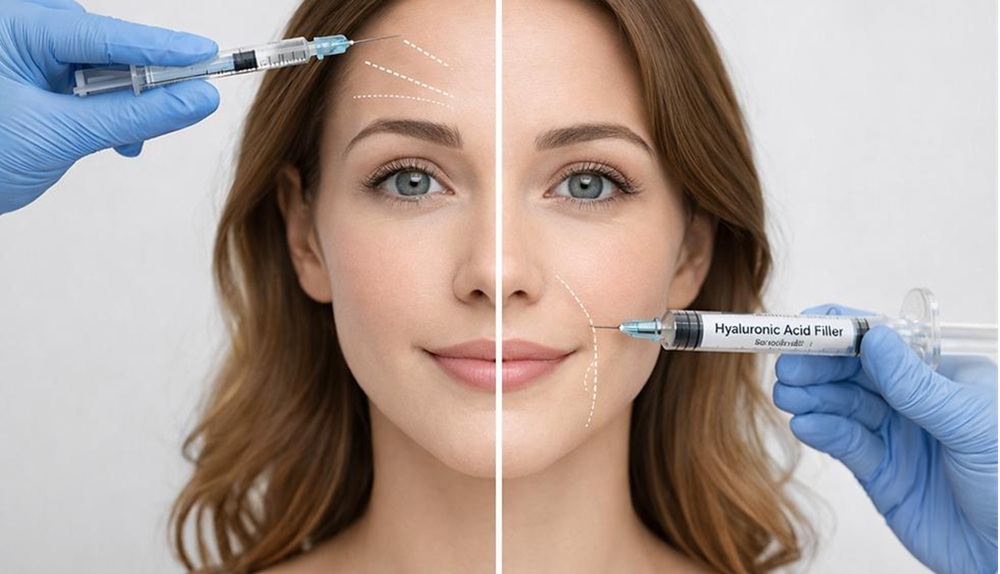
In some aesthetic treatment plans, Botox and dermal fillers may both be considered because they address different aspects of facial aging.
For example, a person may have dynamic forehead lines while also experiencing volume loss in the cheeks. Since the two treatments work differently, a qualified practitioner may determine that addressing both concerns is appropriate.
However, treatment should be individualized rather than based on a standard combination. The FDA notes that the safety of dermal fillers used in combination with botulinum toxin has not been established through controlled clinical studies.
What Should You Consider Before Treatment?

Both Botox and dermal fillers are medical procedures and should be performed by appropriately qualified professionals.
Before treatment, discuss:
- Your desired outcome
- Previous cosmetic procedures
- Any medications or supplements you take
- Allergies or relevant medical conditions
- The specific product being recommended
- Potential side effects and risks
- Expected results and duration
For fillers in particular, choosing an experienced injector is important because incorrect placement can increase the risk of complications. The FDA recommends receiving dermal fillers from a licensed healthcare professional with appropriate experience and knowledge of facial anatomy and complication management.
Botulinum toxin injections should also be performed in an appropriate medical setting by a qualified professional.
Botox vs. Fillers: Which Treatment Should You Choose?
Ultimately, Botox vs. fillers isn’t really a competition between two interchangeable treatments. They have different mechanisms and are suited to different aesthetic concerns.
Botox is generally associated with reducing the appearance of dynamic wrinkles caused by muscle activity, while dermal fillers are primarily used to restore or add volume and improve certain facial contours and lines.
If you’re unsure which option is appropriate, a professional assessment is the best starting point. Your treatment plan should be based on your facial structure, skin concerns, goals, and the areas you want to improve rather than simply choosing the most popular injectable.
Frequently Asked Questions
Is Botox better than fillers?
Neither treatment is universally better. Botox and dermal fillers work differently, so the more suitable option depends on the concern being treated and the desired result.
Is Botox or filler better for wrinkles?
It depends on the type of wrinkle. Botox is commonly used for dynamic wrinkles caused by repeated muscle movement, while fillers may be considered for certain static lines, folds, or areas affected by volume loss.
Are Botox and fillers the same thing?
No. Botox is a botulinum toxin product that temporarily reduces targeted muscle activity. Dermal fillers are injectable materials used primarily to restore or add volume beneath the skin.
How quickly does Botox work compared with fillers?
Many dermal fillers produce visible results immediately, although swelling can temporarily affect the appearance. Botox results usually develop over several days rather than appearing immediately.
How long does Botox last?
Botulinum toxin treatment for facial wrinkles commonly lasts around three to four months, although individual results can vary.
How long do dermal fillers last?
The duration varies according to the filler material and treatment area. Some temporary fillers can last several months or longer, so your provider should explain the expected duration of the specific product being used.
Can Botox and fillers be used together?
They may be included in the same overall aesthetic treatment plan when different concerns need to be addressed. However, whether combining treatments is appropriate should be determined by a qualified medical professional.
What is the best way to choose between Botox and fillers?
Start with a professional consultation. An assessment of your facial anatomy, skin concerns, muscle movement, volume loss, and aesthetic goals can help determine which treatment—or whether another option—is most appropriate.
Final Thoughts
Understanding Botox vs. fillers comes down to understanding what each treatment is designed to do. Botox targets muscle activity and dynamic wrinkles, while dermal fillers can restore volume and improve certain facial lines and contours.
Rather than choosing based solely on popularity, a personalized assessment can help determine the most appropriate approach for natural-looking and balanced results.