Regenerative medicine has rapidly transformed the fields of aesthetics, dermatology, and tissue repair. Among the most discussed innovations are stem cell therapy and exosome-based treatments. Both approaches aim to support healing, rejuvenation, and cellular regeneration, yet they function in very different ways.
Understanding the differences between Exosome vs Stem Cell therapies is essential for patients, practitioners, and anyone exploring advanced regenerative treatments. While stem cells have long been considered a cornerstone of regenerative medicine, exosomes are increasingly gaining attention as a next-generation alternative with unique advantages.
What Are Stem Cells?
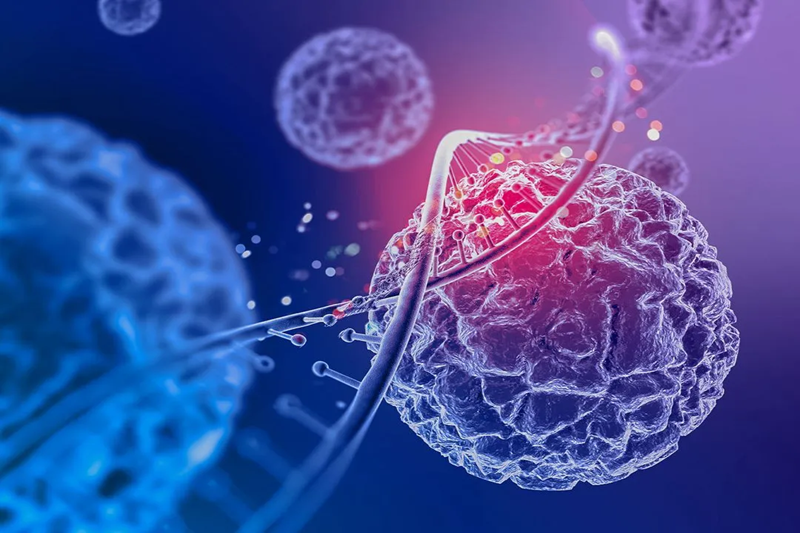
Stem cells are undifferentiated cells capable of developing into various specialized cell types within the body. Their ability to self-renew and transform into different tissues makes them valuable for regenerative medicine.
Stem cells can be obtained from several sources, including:
- Bone marrow
- Adipose (fat) tissue
- Umbilical cord tissue
- Embryonic tissue (subject to ethical and legal regulations)
These cells play a critical role in tissue repair, regeneration, and healing throughout the body.
What Are Exosomes?
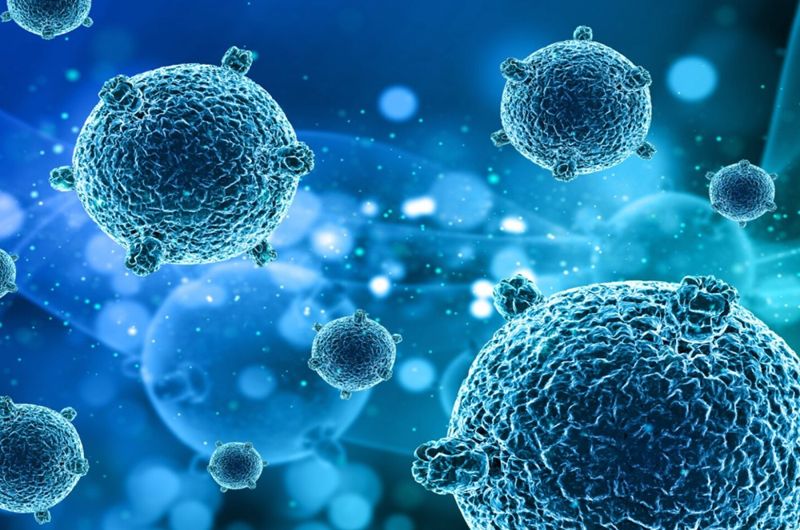
Exosomes are tiny extracellular vesicles naturally released by cells, including stem cells. Rather than becoming new tissue themselves, exosomes act as biological messengers that facilitate communication between cells.
They contain:
- Growth factors
- Proteins
- Lipids
- Peptides
- RNA and genetic signaling molecules
These components help regulate cellular behavior and support tissue repair and regeneration.
Exosome vs Stem Cell: How Do They Work?
Although both therapies focus on regeneration, their mechanisms are fundamentally different.
Stem Cell Therapy
Stem cells work by:
- Replacing damaged cells
- Supporting tissue regeneration
- Producing regenerative growth factors
- Potentially differentiating into specialized cell types
The therapeutic effect often depends on the survival and activity of the transplanted cells.
Exosome Therapy
Exosomes function by:
- Delivering regenerative signals
- Enhancing cellular communication
- Reducing inflammation
- Stimulating tissue repair processes
- Supporting collagen production
Rather than becoming part of the tissue, exosomes influence existing cells to perform more efficiently.
Key Differences Between Exosomes and Stem Cells
| Feature | Stem Cells | Exosomes |
|---|---|---|
| Living Cells | Yes | No |
| Ability to Replicate | Yes | No |
| Cellular Communication | Indirect | Direct |
| Tissue Integration | Possible | Not required |
| Storage Stability | More complex | Easier |
| Risk Profile | Higher | Lower |
| Treatment Complexity | Higher | Lower |
These distinctions have contributed to the growing popularity of exosome-based therapies in regenerative medicine.
Advantages of Stem Cell Therapy
Stem cell therapy remains one of the most powerful regenerative tools available.
Potential Benefits
- Tissue replacement capabilities
- Long-term regenerative potential
- Broad medical applications
- Extensive scientific research
Stem cell therapy has been investigated for orthopedic, neurological, cardiovascular, and cosmetic applications.
Advantages of Exosome Therapy
Many researchers believe exosomes may represent the future of regenerative aesthetics.
Benefits Include
- Cell-free treatment approach
- Lower risk profile
- Reduced inflammation
- Enhanced cellular signaling
- Easier storage and handling
- Faster recovery times
These advantages have contributed to the increasing demand for exosomes therapy dubai among individuals seeking advanced skin and hair rejuvenation treatments.
Exosomes vs Stem Cells for Skin Rejuvenation
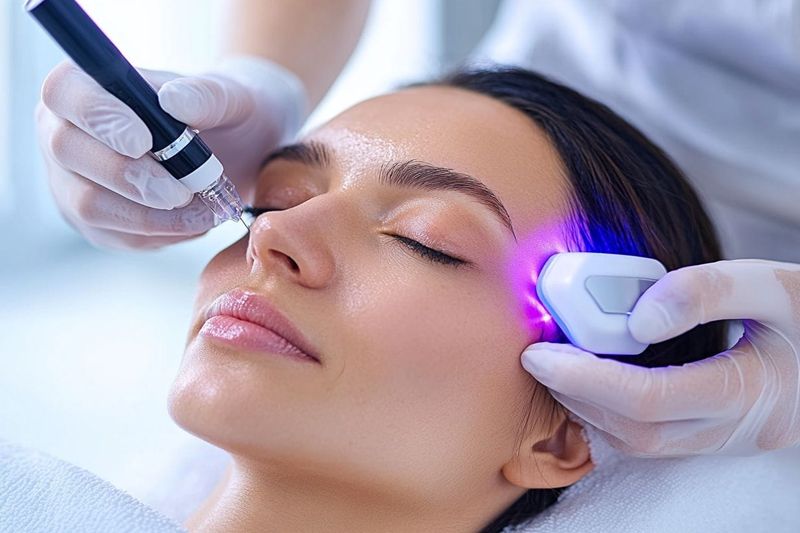
Both therapies have applications in aesthetic medicine.
Stem Cells for Skin
Stem cell-based treatments may help:
- Improve skin elasticity
- Support collagen production
- Enhance tissue regeneration
- Reduce visible signs of aging
Exosomes for Skin
Exosome therapy may assist with:
- Skin renewal
- Improved skin texture
- Reduction of inflammation
- Faster healing after procedures
- Enhanced collagen stimulation
Because of these benefits, many aesthetic practitioners now incorporate exosomes into modern anti-aging protocols.
Applications in Hair Restoration
Hair restoration is another area where both therapies are being explored.
Stem Cell Treatments
Potential benefits include:
- Stimulation of hair follicles
- Support for scalp regeneration
- Improved follicular health
Exosome Treatments
Exosomes may:
- Promote follicle activity
- Improve scalp environment
- Enhance cellular repair
- Support healthier hair growth
As a result, exosomes treatment dubai has become an increasingly popular option for individuals seeking non-surgical hair restoration solutions.
Safety Considerations
Safety is an important factor when comparing regenerative treatments.
Stem Cell Therapy Risks
Potential concerns include:
- Cell survival variability
- Regulatory restrictions
- Higher treatment complexity
- Potential immune responses depending on the source
Exosome Therapy Risks
Exosome treatments generally offer:
- Lower procedural complexity
- Minimal downtime
- Reduced risk of cellular complications
However, treatment quality depends heavily on sourcing, manufacturing standards, and provider expertise.
Which Treatment Is More Effective?
The answer depends on the specific condition being treated.
Stem cell therapy may be more suitable when direct tissue replacement or extensive regeneration is required.
Exosome therapy may be preferable when the goal is:
- Cellular signaling enhancement
- Skin rejuvenation
- Hair restoration
- Recovery support after cosmetic procedures
Many experts now view exosomes as a complementary technology rather than a direct replacement for stem cells.
The Future of Regenerative Medicine
Research continues to uncover new applications for both stem cells and exosomes.
Current trends suggest increasing interest in:
- Cell-free regenerative therapies
- Personalized medicine
- Advanced aesthetic treatments
- Targeted tissue repair solutions
The growing adoption of exosome treatment dubai reflects the broader global trend toward minimally invasive regenerative procedures with reduced downtime and promising outcomes.
Who Is a Good Candidate for Exosome Therapy?
Exosome therapy may be suitable for individuals who:
- Want non-surgical rejuvenation
- Experience early signs of aging
- Seek skin quality improvements
- Are concerned about hair thinning
- Desire faster recovery after cosmetic procedures
A professional consultation is essential to determine whether exosome therapy or stem cell treatment is more appropriate for individual goals.
The comparison between Exosome vs Stem Cell therapies highlights two powerful approaches within regenerative medicine. Stem cells offer the unique ability to regenerate and replace damaged tissue, while exosomes provide sophisticated cellular communication that supports healing and rejuvenation. Both technologies continue to evolve, offering exciting possibilities for aesthetic medicine, tissue repair, and future healthcare innovations. The best treatment option ultimately depends on the patient’s needs, treatment goals, and guidance from qualified medical professionals.


