
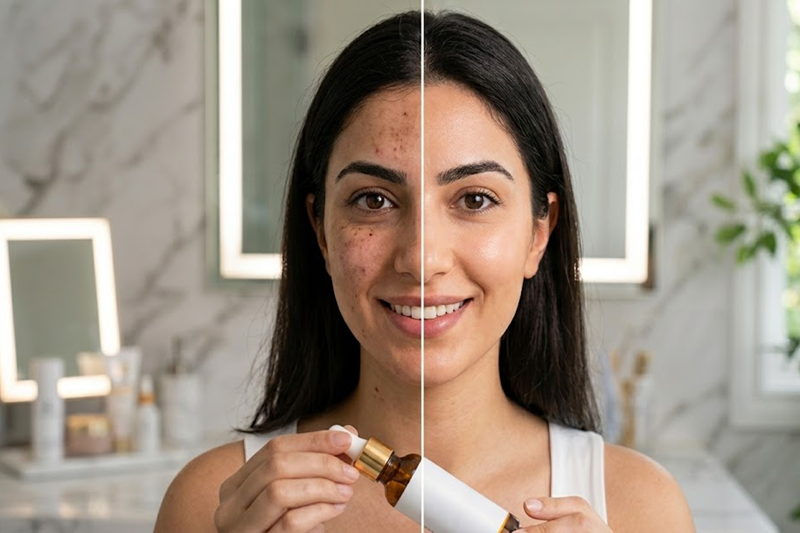
An uneven skin tone is one of the most common skincare concerns affecting people of all ages. It occurs when certain areas of the skin appear darker, lighter, redder, or more discolored than the surrounding skin. As a result, the complexion may look patchy, dull, or less radiant than desired.
Fortunately, uneven skin tone is often manageable with the right skincare practices, healthy lifestyle habits, and professional treatments when needed. In this guide, we’ll explore the most common causes of uneven skin tone and share 10 effective ways to achieve a smoother, brighter, and more balanced complexion.
What Is Uneven Skin Tone?
Uneven skin tone refers to inconsistencies in skin color or texture across the face or body. Instead of a uniform complexion, some areas may develop discoloration, pigmentation, redness, or dark spots.
Common signs include:
- Hyperpigmentation
- Dark spots
- Acne marks
- Redness and blotchiness
- Sun damage
- Uneven patches of discoloration
- Dull-looking skin
Understanding the underlying cause is the first step toward finding the right solution.
What Causes Uneven Skin Tone?
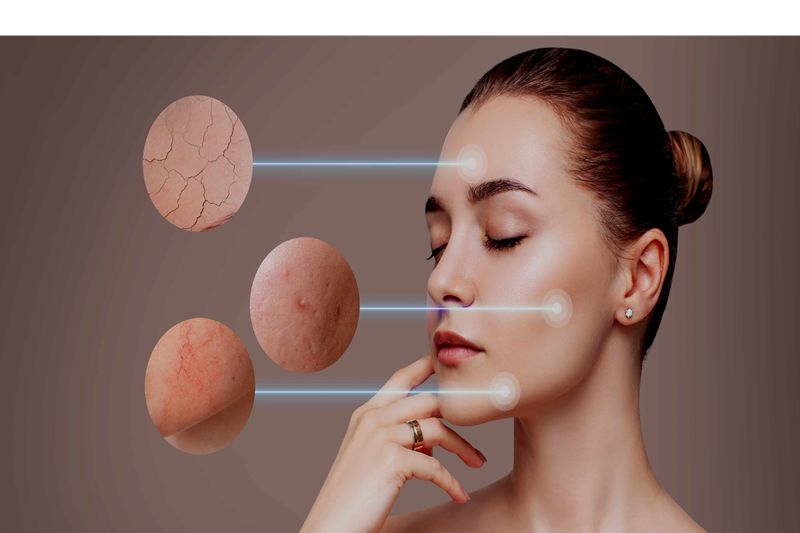
Several internal and external factors can contribute to skin discoloration.
1. Sun Exposure
Excessive UV exposure stimulates melanin production, often leading to dark spots and pigmentation issues.
2. Acne and Post-Inflammatory Hyperpigmentation
Breakouts can leave behind lingering marks and discoloration even after the blemishes have healed.
3. Hormonal Changes
Hormonal fluctuations may trigger conditions such as melasma, which causes patches of darker skin.
4. Aging
As skin ages, its ability to regulate pigment production becomes less efficient, resulting in age spots and uneven coloring.
5. Environmental Factors
Pollution, toxins, and daily environmental stressors can contribute to skin dullness and discoloration.
10 Ways to Fix Uneven Skin Tone
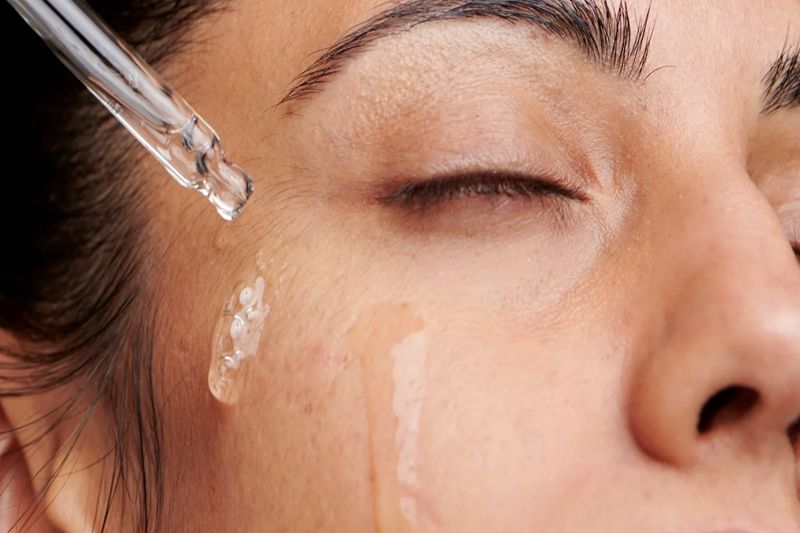
1. Wear Sunscreen Daily
Protecting your skin from UV damage is one of the most effective ways to prevent further discoloration.
Tips:
- Use broad-spectrum SPF 30 or higher
- Apply sunscreen every morning
- Reapply throughout the day when outdoors
2. Incorporate Vitamin C Into Your Routine
Vitamin C is a powerful antioxidant that helps brighten the skin and reduce the appearance of pigmentation.
Benefits include:
- Improved radiance
- Reduced dark spots
- Enhanced collagen production
- Better protection against environmental damage
3. Exfoliate Regularly
Gentle exfoliation removes dead skin cells and encourages cell turnover.
Options include:
- Alpha Hydroxy Acids (AHAs)
- Beta Hydroxy Acids (BHAs)
- Mild physical exfoliants
For most people, exfoliating once or twice a week is sufficient.
4. Keep Your Skin Hydrated
Hydrated skin appears healthier, plumper, and more even.
Look for moisturizers containing:
- Hyaluronic acid
- Ceramides
- Glycerin
5. Treat Acne Early
Addressing acne promptly can reduce the likelihood of post-acne pigmentation.
Helpful ingredients include:
- Salicylic acid
- Niacinamide
- Benzoyl peroxide
6. Follow a Nutrient-Rich Diet
Nutrition plays a significant role in skin health.
Focus on foods rich in:
- Vitamin C
- Vitamin E
- Omega-3 fatty acids
- Antioxidants
A balanced diet supports skin repair and overall radiance.
7. Prioritize Quality Sleep
Sleep is essential for skin regeneration and recovery.
Insufficient sleep may contribute to:
- Dull skin
- Dark circles
- Increased inflammation
- Slower skin repair
Aim for 7–9 hours of quality sleep each night.
8. Manage Stress Levels
Chronic stress can negatively impact hormone balance and skin appearance.
Effective stress-management techniques include:
- Regular exercise
- Meditation
- Deep breathing exercises
- Spending time outdoors
9. Consider Professional Treatments
When discoloration is more persistent, professional cosmetic treatments may provide additional support.
For example, fillers in dubai are often chosen by individuals seeking overall facial rejuvenation and a refreshed appearance as part of a broader aesthetic treatment plan.
10. Stay Consistent With Your Skincare Routine
Consistency is one of the most important factors in improving uneven skin tone.
A simple routine should include:
- Gentle cleansing
- Moisturizing
- Daily sunscreen application
- Targeted treatment products
- Occasional exfoliation
Visible improvements often require patience and long-term commitment.
The Role of Nutrition in Achieving an Even Complexion

Many people focus exclusively on skincare products while overlooking the impact of nutrition.
Foods that support healthy skin include:
- Fatty fish
- Fresh fruits
- Leafy green vegetables
- Nuts and seeds
- Whole grains
Proper nutrition nourishes the skin from within and helps maintain a more balanced complexion.
Combining Skincare With Professional Aesthetic Care
Modern skincare approaches often combine home care with professional treatments.
As a result, services such as dermal fillers dubai have gained popularity among individuals looking to complement their skincare routine with advanced cosmetic procedures.
When Should You See a Dermatologist?
Consider consulting a dermatologist if you experience:
- Persistent pigmentation
- Sudden skin discoloration
- Severe acne
- Chronic redness
- Ongoing skin sensitivity
Professional evaluation can help identify underlying causes and determine the most effective treatment plan.
Advanced Solutions for Skin Rejuvenation
The field of aesthetic medicine continues to evolve, offering a wide range of options for improving skin quality and appearance.
Many patients seeking premium cosmetic treatments choose providers specializing in dermal fillers dubai luxury clinic services, where personalized treatment plans are designed to deliver natural-looking and harmonious results.
An uneven skin tone can affect the overall appearance of your skin, but it is often possible to improve it with the right approach. Daily sun protection, proper hydration, balanced nutrition, regular exfoliation, and consistent skincare habits can all contribute to a smoother and more radiant complexion. For more persistent concerns, professional treatments and expert guidance may help achieve even better results. With patience and consistency, healthier and more balanced skin is within reach.


