

Hyaluronic acid has become one of the most celebrated ingredients in modern skincare, and for good reason. Known for its exceptional ability to attract and retain moisture, this naturally occurring substance plays a vital role in keeping the skin hydrated, smooth, and youthful-looking.
Today, Hyaluronic Acid in Skincare is found in everything from serums and moisturizers to professional aesthetic treatments. Whether you’re looking to combat dryness, reduce the appearance of fine lines, or improve your skin’s overall texture, understanding how hyaluronic acid works can help you maximize its benefits.
What Is Hyaluronic Acid?
Hyaluronic acid is a naturally occurring molecule found throughout the human body, particularly in the skin, connective tissues, and eyes. Its primary function is to retain water and keep tissues lubricated and hydrated.
One remarkable characteristic of hyaluronic acid is its ability to hold up to 1,000 times its weight in water, making it one of the most effective hydrating ingredients available.
Why Is Hyaluronic Acid Important for Skin?
Healthy skin relies on adequate hydration to maintain its elasticity, smoothness, and protective barrier function.
Key benefits of hyaluronic acid include:
- Deep hydration
- Improved skin elasticity
- Smoother skin texture
- Reduced appearance of fine lines
- Enhanced skin barrier function
- A more radiant complexion
As we age, the body’s natural hyaluronic acid levels gradually decline, contributing to dryness and visible signs of aging.
How Does Hyaluronic Acid Work?
Hyaluronic acid acts as a humectant, meaning it attracts moisture from the environment and binds it to the skin.
The Process
- Draws water into the skin
- Helps maintain hydration levels
- Supports skin plumpness
- Reduces moisture loss
- Improves overall skin appearance
This hydration boost often results in skin that looks fresher, softer, and more youthful.
Major Benefits of Hyaluronic Acid in Skincare
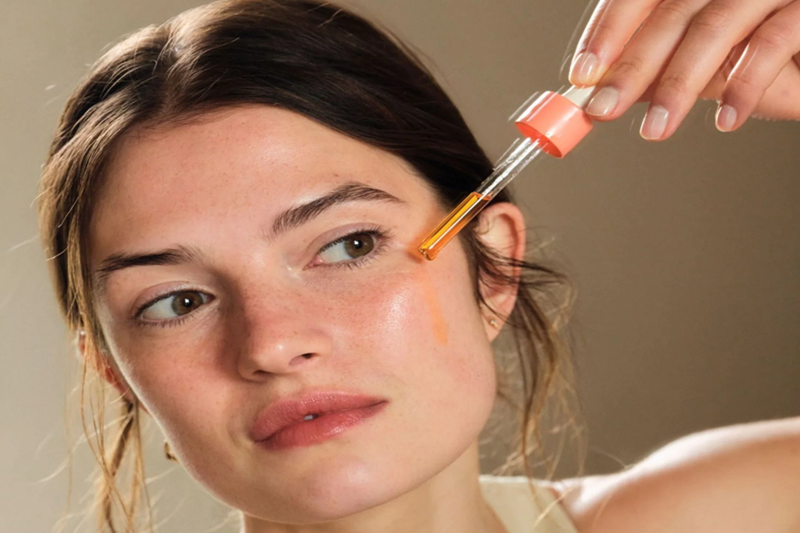
1. Intense Hydration
One of the primary reasons people use hyaluronic acid is its ability to provide long-lasting hydration without feeling heavy or greasy.
2. Reduced Appearance of Fine Lines
Dehydrated skin often makes wrinkles appear more noticeable. Proper hydration can temporarily plump the skin and soften the appearance of fine lines.
3. Improved Skin Elasticity
Well-hydrated skin tends to appear firmer and more resilient.
4. Suitable for Most Skin Types
Hyaluronic acid is generally well-tolerated by:
- Dry skin
- Oily skin
- Combination skin
- Sensitive skin
- Mature skin
5. Supports Skin Barrier Health
A healthy moisture barrier helps protect the skin against environmental stressors and irritation.
Different Types of Hyaluronic Acid
Not all hyaluronic acid molecules are the same.
High Molecular Weight Hyaluronic Acid
- Works on the skin’s surface
- Provides immediate hydration
- Helps reduce water loss
Low Molecular Weight Hyaluronic Acid
- Penetrates deeper into the skin
- Supports longer-lasting hydration
- May improve skin elasticity
Many modern skincare products combine multiple molecular weights to deliver comprehensive hydration.
How to Use Hyaluronic Acid Correctly
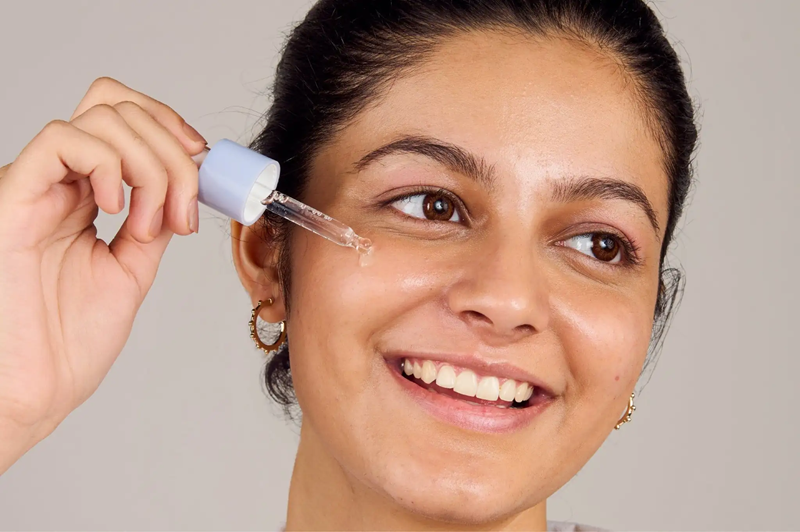
Using hyaluronic acid properly can significantly improve results.
Step-by-Step Application
- Cleanse your face thoroughly.
- Leave the skin slightly damp.
- Apply a hyaluronic acid serum.
- Follow with a moisturizer.
- Use sunscreen during the daytime.
Applying hyaluronic acid to damp skin helps maximize moisture retention.
Common Mistakes to Avoid
Even though hyaluronic acid is easy to use, certain mistakes can reduce its effectiveness.
Avoid These Errors
- Applying it to completely dry skin
- Skipping moisturizer afterward
- Overcomplicating your skincare routine
- Neglecting sunscreen protection
Combining hydration with proper skin barrier support produces the best results.
Hyaluronic Acid and Anti-Aging Treatments
Many individuals combine topical skincare products with professional aesthetic procedures to address age-related concerns.
For example, fillers in dubai are commonly used to restore facial volume and smooth deeper wrinkles, often complementing a comprehensive skincare routine that includes hyaluronic acid.
Can Hyaluronic Acid Be Used Daily?
Yes. Hyaluronic acid is gentle enough for daily use and can be applied both morning and evening.
Most dermatologists recommend incorporating it into a consistent skincare routine for optimal hydration and long-term skin health.
Hyaluronic Acid vs. Other Hydrating Ingredients
Hyaluronic Acid vs. Glycerin
Both ingredients attract moisture, but hyaluronic acid is particularly effective at retaining large amounts of water within the skin.
Hyaluronic Acid vs. Ceramides
While hyaluronic acid provides hydration, ceramides help strengthen the skin barrier and lock moisture in.
For best results, many skincare products combine both ingredients.
Professional Uses of Hyaluronic Acid
Beyond topical skincare products, hyaluronic acid is widely used in aesthetic medicine.
Procedures involving dermal fillers dubai often utilize hyaluronic acid-based formulations to enhance facial contours, improve symmetry, and restore volume lost through aging.
Who Should Use Hyaluronic Acid?
Hyaluronic acid can benefit nearly everyone, including:
- Individuals with dry skin
- People experiencing dehydration
- Those concerned about aging
- Individuals with sensitive skin
- Anyone seeking a healthier complexion
Its versatility makes it one of the most universally recommended skincare ingredients.
Advanced Aesthetic Applications
The growing demand for non-surgical facial rejuvenation has increased interest in advanced cosmetic treatments that incorporate hyaluronic acid technology.
Many patients seeking premium cosmetic services choose providers specializing in dermal fillers dubai luxury clinic treatments, where personalized approaches focus on achieving natural-looking enhancements while preserving facial harmony.
Hyaluronic Acid in Skincare has earned its reputation as one of the most effective ingredients for maintaining healthy, hydrated, and youthful-looking skin. Its ability to attract and retain moisture makes it valuable for virtually all skin types and concerns. Whether used in daily skincare products or as part of professional aesthetic treatments, hyaluronic acid can help improve skin texture, elasticity, and overall appearance. With consistent use and proper application, it remains a cornerstone of modern skincare and anti-aging routines.


